
Desserts
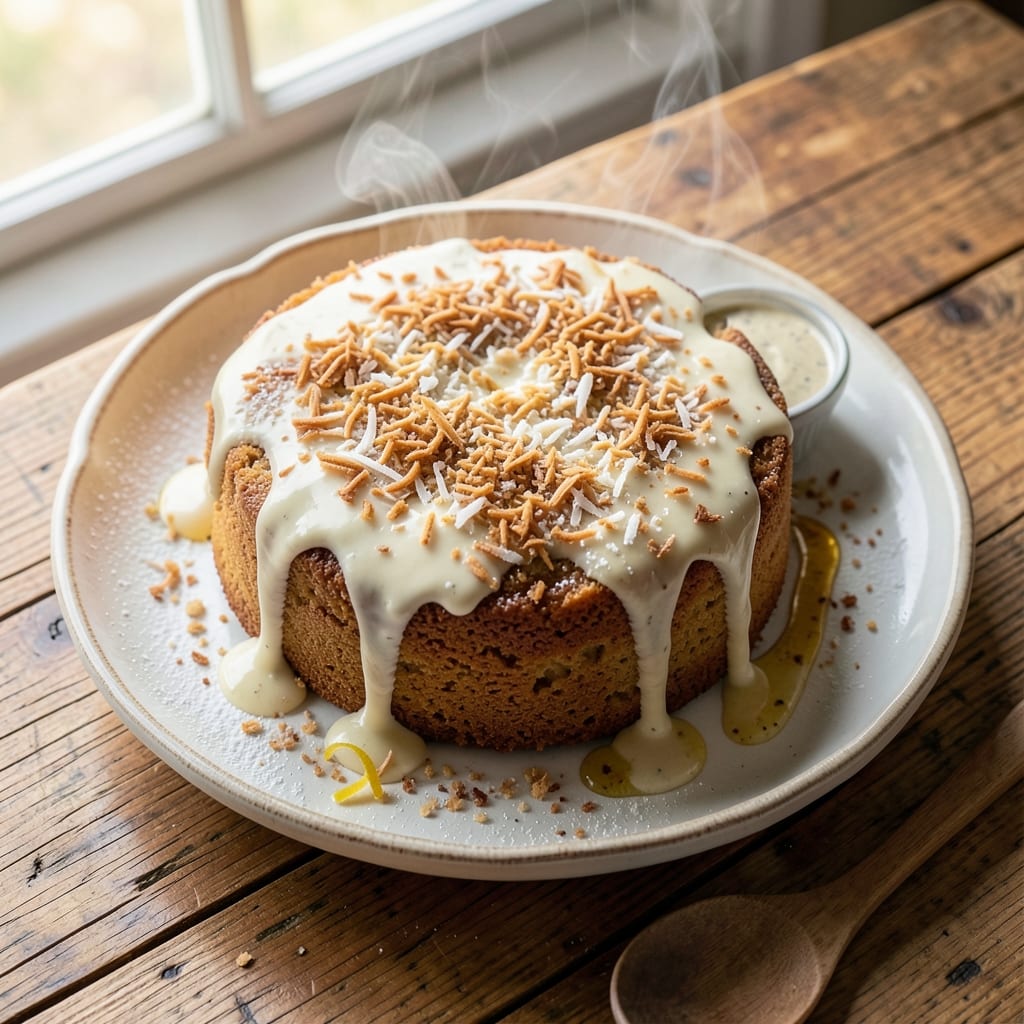
The almond flour coconut cake delivers a moist, tender crumb with a toasted coconut crown that tastes like a tropical vacation in every bite. This vegan recipe replaces traditional flour with finely ground almonds and coconut milk, creating a rich, nutty base that stays wonderfully dense without drying out. The secret? A combination of flax eggs for binding and coconut oil for that signature coconut aroma that infuses every layer.
What sets this cake apart is its texture—moist yet sturdy, with a delicate crumb that holds up to slicing beautifully. The toasted coconut crown adds a crisp, caramelized contrast that balances the cake's natural sweetness, while citrus zest brightens the flavor profile. Unlike many gluten-free cakes, this one doesn’t rely on gums or starches, making it naturally lighter and more approachable.
Perfect for special occasions or a decadent treat, this cake pairs wonderfully with coconut whipped cream, fresh berries, or a drizzle of honey (if not keeping it strictly vegan). The recipe uses simple pantry staples—almond flour, coconut milk, and a touch of vanilla—to create something that feels luxurious but is surprisingly easy to prepare. Ready in under an hour, it’s the ideal dessert for those who love nutty, coconut-forward flavors without the heaviness of traditional cakes.
Whether you're baking for a celebration or simply craving a slice of something special, this recipe delivers a restaurant-quality result at home. The combination of almond flour’s richness and coconut’s natural sweetness creates a dessert that’s both elegant and comforting. Let’s get baking!
Ingredients for almond flour coconut cake
Simple pantry staples transform into a restaurant-quality almond flour coconut cake.
| Ingredient | Amount | Notes |
|---|---|---|
| Almond Flour 🌰 | 2 ½ cups | Finely ground, unsweetened |
| Coconut Milk (Full-Fat, Canned) 🥥 | 13 ½ oz | Full-fat variety preferred |
| Granulated Sugar 🍚 | 1 cup | Organic preferred for purity |
| Coconut Oil (Refined) 🫒 | ¾ cup | Melted for smooth texture |
| Flaxseed Meal 🌾 | 3 tbsp | Ground flaxseed for binding |
| Water 💧 | 9 tbsp | Room temperature preferred |
| Pure Vanilla Extract 🌿 | 1 tbsp | High-quality preferred |
| Baking Powder 🧂 | 1 tsp | Aluminum-free preferred |
| Salt 🧂 | ½ tsp | Fine sea salt preferred |
| Lemon Zest 🍋 | 1 tbsp | Freshly grated preferred |
| Unsweetened Shredded Coconut 🥥 | 1 ½ cups | Toasted for crown layer |
| Maple Syrup 🍯 | 2 tbsp | For coconut crown glaze |
Almond flour is the star here—Bob's Red Mill or Anthony's Goods are my go-tos for consistent texture. The finer the grind, the smoother your cake will be. Coconut milk should be full-fat (the canned kind) for that rich, creamy texture. Thai Kitchen or Goya brands work perfectly. For the coconut oil, refined is key—it won't impart that strong coconut flavor we want in the crown, just the binding properties. Pre-measure everything before starting; this cake relies on precise ratios for that perfect moist crumb.
No almond flour? Blanched almonds ground in a food processor works in a pinch, but texture may vary. Substituting coconut milk? Full-fat cashew milk is your best bet, but reduce by 2 tbsp. The flax eggs are non-negotiable for binding—no chia or aquafaba here. For the lemon zest, organic lemons have more vibrant flavor. The shredded coconut should be the unsweetened kind—Trader Joe's or Whole Foods carry good options. Toasting your coconut crown? 350°F for 8-10 minutes gives that perfect caramelized crunch without burning.
Store the cake in an airtight container at room temperature for 3 days, or refrigerate for 1 week. The coconut crown stays crisp for 2 days before softening—best made fresh. For longer storage, freeze the cake (without the crown) for up to 3 months. Reheat slices at 300°F for 5 minutes to restore moisture. The maple syrup glaze keeps best when refrigerated—add it just before serving for maximum shine.
Why You'll Love This Recipe
- No Mixer Needed: I just toss everything in a bowl—no sifter, no whisking until my arm falls off. The almond flour blends smooth with coconut milk (that rich, creamy texture does the work), and the flax eggs bind it all without fuss. Honestly, my blender’s been napping more since I discovered this.
- Tropical Comfort: That first bite? Warm, moist crumb with a whisper of coconut oil richness—like a hug from a bakery, but with none of the guilt. The sugar caramelizes just enough to balance the nutty almond flour, and the full-fat coconut milk keeps it tender. (Yes, even on a Tuesday night.)
- Birthday or Breakfast: Slice it for a celebration cake or grab a fork for a lazy morning treat—this one’s equally at home. The texture holds up for days (seriously, it’s my go-to for potlucks), and the neutral flavor lets you top it with anything: toasted coconut, berries, or even a drizzle of honey.
- Budget-Friendly Luxury: Almond flour might sound fancy, but it stretches further than regular flour—plus, coconut milk and sugar are pantry staples. I’ve made this for 12 people for under $15, and the leftovers? Still moist enough to reheat with a splash of coconut milk the next day. My wallet and taste buds win.
Step-by-step instructions for almond flour coconut cake
Here's the method for a perfectly moist almond flour cake with a toasted coconut crown.
Prepare the Flax Egg Substitute
In a small bowl, combine the 3 tablespoons flaxseed meal with the 9 tablespoons water. Stir well and let it sit for 10 minutes until it thickens into a gel-like consistency. This acts as our egg substitute, binding the cake together. The mixture should resemble raw egg whites in texture—smooth and slightly viscous.
While waiting, preheat your oven to 350°F and grease an 8-inch round cake pan generously with coconut oil. Line the bottom with parchment paper for easy removal. A well-greased pan prevents sticking, especially with almond flour which can be dry. I like to use a silicone brush for even coverage on all surfaces.
Mix Wet Ingredients for Smooth Batter
In a large mixing bowl, whisk together the 13.5 oz coconut milk, 1 cup granulated sugar, 0.75 cup melted coconut oil, and the prepared flax egg. Mix until completely combined—this creates the base for our moist crumb. The coconut milk should be full-fat for proper texture, and the sugar helps balance the natural bitterness of almond flour.
Add the 1 tablespoon pure vanilla extract and 1 tablespoon lemon zest, mixing until fully incorporated. The lemon zest adds a bright citrus note that pairs beautifully with coconut. I like to press the zest through a fine grater to avoid any bitter pith. Once combined, set this mixture aside temporarily while you prepare the dry ingredients.
Combine Dry Ingredients Gently
In a separate bowl, sift together the 2.5 cups almond flour, 1 teaspoon baking powder, and 0.5 teaspoon salt. This prevents lumps and ensures even distribution throughout the batter. The baking powder provides lift, while the salt enhances all the flavors.
Gradually add the dry mixture to the wet ingredients, mixing on low speed with a hand mixer or whisk until just combined. Avoid overmixing—you should still see small streaks of flour. The batter will be thick but pourable. Here's the thing—almond flour absorbs moisture differently than wheat flour, so don't be tempted to add extra liquid. The texture should resemble thick pancake batter.
Bake the Cake Layer
Pour the batter into your prepared cake pan and smooth the top with a spatula. Bake for 35-40 minutes until a toothpick inserted in the center comes out clean. The cake should be golden on top but still slightly springy to the touch. I know it seems counterintuitive, but almond flour cakes can appear underdone when they're actually perfectly baked.
During the last 5 minutes of baking, place the 1.5 cups unsweetened shredded coconut on a baking sheet and toast in the oven. This creates our signature coconut crown. Watch closely—it should turn a light golden color, about 3-4 minutes total. Remove both the cake and coconut immediately when done to prevent over-browning.
Assemble with Coconut Crown
Allow the cake to cool in the pan for 10 minutes, then transfer to a wire rack to cool completely. While it cools, prepare the coconut glaze by combining the 2 tablespoons maple syrup with 1 tablespoon melted coconut oil in a small bowl. Stir until smooth.
Once the cake is completely cool, spread the glaze evenly over the top. Press the toasted coconut onto the glaze immediately, pressing gently to adhere. Let the glaze set for 15 minutes before slicing. The contrast between the moist almond cake and crisp coconut crown makes every bite special. Serve at room temperature for the best texture and flavor.
Pro Tips For Making Almond Flour Coconut Cake
- MEASURE ALMOND FLOUR BY WEIGHT: Almond flour varies wildly in density—scooping it by cups leads to dry, dense cake. Use a kitchen scale for 1:1 weight ratios (typically 1 cup = ~120g). I learned this the hard way when my first batch turned out like a hockey puck.
- WHISK COCONUT MILK FIRST: Canned coconut milk separates—shake the can vigorously before measuring, then whisk the measured amount in your bowl until smooth. Skipping this step means lumpy batter and a cake with weird texture pockets.
- BAKE UNTIL TOOTHPICK COMES OUT CLEAN: Almond flour cakes set differently than wheat flour—don’t rely on time alone. Insert a toothpick at the center; it should come out with moist crumbs, not wet batter. Mine always came out underbaked because I trusted the recipe’s timer.
- MIX FLAXSEED MEAL WITH COLD WATER: Combine flaxseed meal with cold water first, then let it sit for 5 minutes before adding to the batter. Warm water makes it gummy, and skipping the wait means weaker binding—your cake might crumble instead of holding shape.
Regional styles of this dish
Tropical Hawaii Twist
In Hawaii, this cake becomes a true island celebration with the addition of 1 cup toasted macadamia nuts folded into the batter and ½ cup pineapple puree replacing half the coconut milk. The macadamia nuts add a buttery richness that complements the almond flour beautifully. I like to top it with a mango-coconut glaze—simmer ½ cup mango puree with 1 tbsp maple syrup and 1 tsp lime zest until thickened, then drizzle over the cake before adding the coconut crown. The acidity from the lime cuts through the coconut's sweetness, creating a perfect tropical balance. 🌺
Caribbean Rum Infusion
The Caribbean version transforms this cake into a boozy dessert by incorporating 2 tbsp dark rum into the wet ingredients and toasting the coconut crown with 1 tsp cinnamon and ½ tsp nutmeg. I recommend using Appleton Estate rum for its rich caramel notes. For extra decadence, fold ½ cup rum-soaked raisins into the batter. Serve with a rum sauce made by simmering ½ cup coconut cream, 2 tbsp brown sugar, and 1 tsp vanilla extract until thickened. This version feels like a vacation in every bite, especially during holiday celebrations. 🍹
Mediterranean Olive Oil Adaptation
For a Mediterranean-inspired twist, replace the coconut oil with ½ cup extra-virgin olive oil and swap half the coconut milk for ½ cup orange juice. Add 1 tsp orange blossom water to the wet ingredients for an authentic touch. Toast the coconut crown with ½ tsp cardamom for warmth. The olive oil adds a fruity depth that pairs perfectly with the almond flour's nuttiness. I love serving this version with a side of orange-infused coconut whipped cream—whip 1 cup coconut cream with 1 tbsp powdered sugar and 1 tsp orange zest. This adaptation keeps the cake's moist texture while introducing bright, citrus-forward flavors. 🍊
Japanese Matcha Variation
In Japan, matcha transforms this cake into an elegant, earthy dessert. Replace 1 tbsp of the almond flour with 1 tbsp high-quality matcha powder and add 1 tsp matcha to the wet ingredients. Reduce the sugar slightly to ¾ cup to balance the matcha's bitterness. Toast the coconut crown with ½ tsp matcha for a vibrant green hue. For presentation, dust the finished cake with powdered matcha and garnish with white chocolate shavings. This version is perfect for tea ceremonies or as a sophisticated dessert at gatherings. The matcha adds a subtle umami depth that complements the coconut's natural sweetness. 🍵
Southwest Spiced Version
Give this cake a Southwestern flair by adding 1 tsp ground cinnamon, ½ tsp ground cumin, and ¼ tsp cayenne pepper to the dry ingredients. Replace the lemon zest with 1 tbsp orange zest and toast the coconut crown with ½ tsp smoked paprika. For extra warmth, fold ½ cup chopped dried apricots into the batter. Serve with a side of chile-infused coconut whipped cream—whip 1 cup coconut cream with 1 tbsp powdered sugar, ½ tsp chili powder, and 1 tsp lime zest. This version brings bold, spicy-sweet flavors that feel right at home during fall or winter holidays. 🌶️
Nutrition facts
Frequently asked questions
Why does this almond flour coconut cake stay moist without dairy?
The secret lies in the combination of coconut oil and full-fat coconut milk, which provide rich moisture while keeping the texture tender. The flax eggs act as natural binders, while the lemon zest adds acidity that helps maintain freshness longer than traditional cakes. Plus, almond flour absorbs less liquid than wheat flour, preventing dryness.
Can I substitute regular flour for almond flour in this recipe?
Not recommended—almond flour's unique texture and flavor make this recipe work perfectly. However, if you must, try a 1:1 gluten-free almond flour blend (like Bob's Red Mill) for similar results. Regular all-purpose flour would make the cake denser and less moist. The almond flour gives that signature nutty richness that coconut complements beautifully.
How do I prevent the coconut crown from burning while baking?
Toast the coconut on a separate baking sheet during the last 5 minutes of baking at 350°F. Watch closely—it should only take 3-4 minutes to reach a light golden color. Remove immediately when done to prevent over-browning. For extra insurance, spread the coconut in a single layer on a parchment-lined tray.
What's the best way to store leftovers without drying out the cake?
Keep the cake in an airtight container at room temperature for 3 days or refrigerate for 1 week. For longer storage, freeze the cake (without the coconut crown) for up to 3 months. To restore freshness, reheat slices at 300°F for 5 minutes. The coconut crown stays crisp for 2 days before softening—best made fresh before serving.
Can I make this cake gluten-free and nut-free?
For nut-free, replace almond flour with a 1:1 gluten-free oat flour blend (ensure it's certified nut-free). Use sunflower seed butter instead of coconut oil for binding. For flavor, add 1 extra tbsp vanilla extract and ½ tsp cinnamon to compensate for the missing almond flavor. The texture will be slightly denser but still moist. Always check labels for cross-contamination warnings.