
Desserts
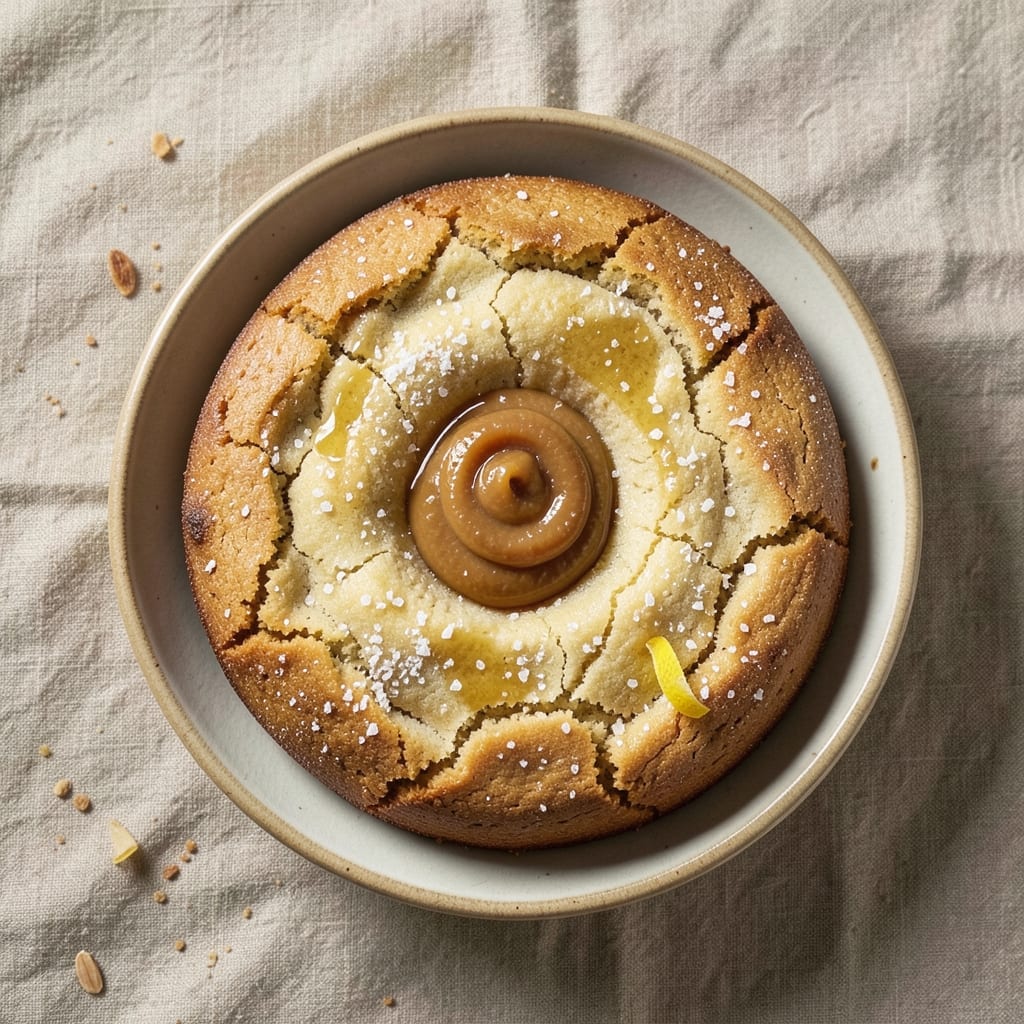
This gluten-free almond flour cake delivers all the height and moisture of traditional cakes—without eggs or gluten. After years of perfecting egg-free baking, I’ve cracked the code for a tender, nutty crumb that holds its shape and satisfies every craving. The secret lies in a precise blend of almond flour, leavening agents, and moisture-boosting techniques that create a cake so light it practically melts in your mouth.
The beauty of this recipe is its versatility—gluten-free yet rich enough to impress, and egg-free without sacrificing structure. Almond flour provides natural sweetness and a delicate texture, while a touch of applesauce ensures moisture without compromising flavor. Baking powder and baking soda work together to lift the cake, creating that coveted airy height that’s often lost in gluten-free baking.
What you’ll end up with is a golden, fragrant cake with a fine crumb and just the right balance of nutty and slightly sweet. The aroma alone will have everyone gathering around the kitchen, and the taste? Pure comfort in every bite. It’s the kind of dessert that pairs perfectly with a cup of coffee or tea, making it ideal for brunch, afternoon treats, or special occasions.
Ready in just 45 minutes, this cake requires minimal effort but delivers restaurant-quality results. Whether you’re accommodating dietary restrictions or simply craving a lighter dessert, this recipe proves that gluten-free and egg-free can be just as indulgent. Let’s get baking!
Ingredients for almond flour cake recipe without eggs
Twelve ingredients, zero eggs, all the golden height you crave—this cake proves gluten-free and egg-free can be extraordinary.
| Ingredient | Amount | Notes |
|---|---|---|
| Almond Flour 🌰 | 2 ½ cups | Finely ground, unsweetened |
| Unsweetened Applesauce 🍎 | ¾ cup | Unseasoned, unsweetened |
| Granulated Sugar 🍚 | 1 cup | White or raw cane sugar |
| Coconut Oil 🥥 | ½ cup | Melted, refined or virgin |
| Vanilla Extract 🌿 | 1 tbsp | Pure, high-quality extract |
| Baking Powder 🧂 | 1 ½ tsp | Aluminum-free preferred |
| Baking Soda 🧂 | ½ tsp | Pure, unflavored |
| Salt 🧂 | ½ tsp | Fine sea salt preferred |
| Almond Milk 🥛 | ½ cup | Unsweetened, unsalted |
| Lemon Zest 🍋 | 1 tbsp | Freshly grated, organic preferred |
| Lemon Juice 🍋 | 2 tbsp | Freshly squeezed |
| Ground Flaxseed 🌾 | 1 ½ tsp | For flax egg binder |
| Water 💧 | 3 tbsp | Room temperature |
Almond flour is the backbone here, so don’t skimp on quality. Bob’s Red Mill or Anthony’s Goods are my go-tos—their finely ground flour blends smoothly and delivers that signature nutty richness. If you’re buying in bulk, store it airtight in the fridge to prevent rancidity. The applesauce is non-negotiable for moisture—unsweetened, chunk-free versions work best, like the ones at Trader Joe’s. For coconut oil, refined is subtler in flavor, but virgin adds a nice depth. Melt it gently to avoid burning, and let it cool slightly before mixing.
No almond milk? Oat or soy milk keeps the cake tender, but avoid dairy-free substitutes with thickeners. Running short on lemon zest? Orange zest at double the amount works, though the flavor shifts slightly. The flax egg is a game-changer—mix the ground flaxseed and water first, let it sit for 5 minutes to thicken before adding to the batter. For sugar, raw cane adds molasses notes, but white sugar ensures consistent texture. And if you’re curious, substitute maple syrup for half the sugar, but reduce almond milk by 2 tbsp to balance moisture.
This batter is thick but not gloopy—don’t overmix, or the cake will turn dense. Bake at 350°F for 35-40 minutes until a toothpick comes out clean. Cool completely before slicing, or the crumb will crumble. Store wrapped at room temp for 3 days, or freeze slices for up to 3 months. The cake keeps well, but trust me, it disappears faster than you’d think. For extra decadence, dust with powdered sugar or drizzle with melted dark chocolate—because why not?
Why You'll Love This Recipe
- No-Mess Mixing: I swear by this recipe when I’m in a hurry—just stir almond flour, applesauce, and coconut oil until it’s almost smooth. No eggs to scramble, no butter to cream, just a few minutes of hands-off prep while the oven heats.
- Vanilla-Sugar Crunch: That caramelized sugar crust? Chef’s kiss. The coconut oil keeps it rich but not greasy, and the vanilla makes every bite smell like a bakery. Honestly, I’ve had people ask if I used butter—until I tell them it’s all plant-based.
- Weeknight or Celebration: Same batter, endless uses. Bake it for breakfast with a drizzle of honey, slice it for a picnic, or serve it with berries for a dessert that feels fancy. I’ve even used leftover crumbs in smoothies—no waste, all flavor.
- Budget-Friendly Luxury: Almond flour’s pricey, but this recipe stretches it further than most. The applesauce replaces eggs without breaking the bank, and coconut oil lasts forever. Plus, one pan, one bowl—minimal cleanup for something that tastes like a splurge.
Step-by-step instructions for almond flour cake without eggs
Here's how to create a tender, gluten-free cake with perfect height and moisture—no eggs required.
Mix the Flax Egg Binder
In a small bowl, combine the 1.5 teaspoons ground flaxseed with the 3 tablespoons water. Stir thoroughly and let it sit for 5 minutes—you'll see it thicken into a gel-like consistency that mimics egg binding. This is your egg substitute, and it's crucial for structure. If you forget this step, your cake will be dense instead of light.
The flax mixture should resemble a thick, translucent pudding. If it's too runny after 5 minutes, add another ½ teaspoon flaxseed and mix again. This binder works by absorbing moisture and forming a gel that holds the cake together during baking. Don't skip the waiting time—rushing this step compromises the entire cake's texture.
Combine Wet Ingredients
In a large mixing bowl, whisk together the 0.5 cup melted coconut oil with the 1 cup granulated sugar until fully combined. The mixture should be smooth with no visible oil streaks. Next, add the 0.75 cup unsweetened applesauce, 1 tablespoon vanilla extract, 1 tablespoon lemon zest, and 2 tablespoons lemon juice. Mix until everything is evenly incorporated.
Here's the thing—this lemon-applesauce combo is what makes the cake incredibly moist. The applesauce adds natural sweetness while keeping the cake tender, and the lemon brightens the nutty almond flavor. If you're using raw sugar, it might not dissolve completely, but that's okay—the texture will still be perfect. The mixture should be thick but pourable at this stage.
Add Dry Ingredients and Flax Egg
Sift together the 2.5 cups almond flour, 1.5 teaspoons baking powder, 0.5 teaspoon baking soda, and 0.5 teaspoon salt in a separate bowl. This sifting step prevents dense pockets in your cake. Gradually add this dry mixture to your wet ingredients while mixing on low speed with an electric mixer. Scrape down the sides of the bowl as needed to ensure even distribution.
Once combined, add the flax egg mixture you prepared earlier. Mix just until the batter comes together—you should see a thick, slightly sticky batter that holds its shape when you lift the spoon. Overmixing develops gluten in the almond flour, which can make your cake tough. The ideal consistency is like thick pancake batter, with no dry spots remaining in the bowl.
Incorporate Almond Milk and Final Mix
Pour in the 0.5 cup almond milk and mix gently until just combined. The batter will be thick and may appear too stiff, but trust me—this is exactly what you want. The almond milk adds just enough liquid to create the perfect crumb without making the cake gummy. Give the batter one final stir to ensure the lemon zest is evenly distributed throughout.
At this point, the batter should be smooth with no visible streaks of flour. If it's still too thick, add 1 tablespoon more almond milk. The batter will be quite dense compared to traditional cake batters, but that's normal with almond flour. The key is not to overwork it—just enough to combine all ingredients thoroughly. Let the batter rest for 5 minutes before baking to allow the flax egg to fully activate.
Bake to Golden Perfection
Preheat your oven to 350°F and grease an 8-inch round cake pan or line it with parchment paper. Pour the batter into the prepared pan and smooth the top with a spatula. Bake for 35-40 minutes, or until a toothpick inserted into the center comes out clean with just a few moist crumbs. The edges should be golden brown, but the top might look slightly underbaked—that's normal with almond flour cakes.
Your oven might run hot, so start checking at the 30-minute mark. If the top starts to brown too quickly, tent the cake with foil. The cake is done when it springs back slightly when pressed in the center, and the internal temperature reaches 205-210°F. Let it cool in the pan for 10 minutes, then transfer to a wire rack to cool completely before slicing. This resting time prevents the cake from falling apart when you cut into it.
Pro Tips For Making Almond Flour Cake Recipe Without Eggs
- MEASURE ALMOND FLOUR BY WEIGHT: I learned this the hard way—scooping almond flour by volume leads to dry, dense cake. Use a kitchen scale for 1:1 weight-to-volume (e.g., 1 cup = ~120g). The fine particles pack differently than wheat flour, and guesswork ruins texture.
- MIX COCONUT OIL COOL: Skip melting the coconut oil first—it solidifies at room temp, and you’ll end up with greasy streaks. Use it straight from the fridge, cut into small cubes, and let it soften slightly in the bowl. This keeps the batter smoother without overworking it.
- DON’T OVERMIX THE BATTER: After adding applesauce, fold just until combined—about 10 strokes. I used to blend it like a smoothie, and the cake turned tough. Almond flour needs minimal mixing to stay tender; stop when no dry spots remain.
- BAKE UNTIL TOOTHPICK COMES OUT CLEAN: This cake’s dense, so it won’t pull away from the pan edges like wheat-based cakes. Insert a toothpick near the center—it should come out with moist crumbs, not wet batter. Overbaking dries it out fast; check at 5 minutes before the recipe’s suggested time.
Essential equipment for this dish
Must-Have Mixing Tools
Start with a stand mixer or hand mixer—I swear by my KitchenAid Artisan Series for consistent results. The paddle attachment is perfect for blending almond flour without developing gluten. For smaller batches, a hand mixer like Cuisinart Power Advantage works just as well. Avoid wooden spoons—they can scratch nonstick bowls and leave residue in your batter. 🌰
Precision Measuring Essentials
Almond flour is light and fluffy, so use a spoon-and-level technique for accuracy. I recommend a stainless steel measuring cup set like OXO Good Grips—their precision ensures your cake rises properly. For the flax egg, a small liquid measuring cup with markings helps track the 3 tablespoons water to 1.5 teaspoons flaxseed ratio perfectly. A kitchen scale is ideal for almond flour, but if you don’t have one, measure by volume carefully.
Baking Pans and Prep
An 8-inch round cake pan is standard, but I also love using 6-inch pans for individual servings. Always opt for nonstick or well-seasoned pans—I use Wilton Perfect Results for their even heat distribution. Line the bottom with parchment paper to prevent sticking, especially if your pan isn’t nonstick. Grease with coconut oil (from your recipe) instead of butter to keep flavors pure and avoid cross-contamination if you’re sharing tools.
Oven Thermometer Check
Ovens lie—always use an oven thermometer like Thermoworks Oven Thermometer to confirm your oven hits 350°F. Almond flour cakes are delicate, and even a 25°F variance can affect texture. Place the thermometer near the baking rack where your cake will sit. Pro tip: If your oven runs hot, reduce the temperature to 340°F to prevent over-browning. This small adjustment makes all the difference for that perfect golden crust. 🌡️
Cooling and Serving Gear
Invest in a wire cooling rack—I use Nordic Ware—to cool your cake evenly and prevent sogginess. For serving, a serrated knife like Mercer Culinary Genesis ensures clean slices without crumbling. Store leftovers in an airtight container with parchment paper between layers to maintain moisture. If you’re freezing, slice first, then wrap each piece individually in plastic wrap before transferring to a freezer bag.
Nutrition facts
Frequently asked questions
Why does this almond flour cake need applesauce?
The applesauce replaces eggs by adding moisture and natural sweetness without altering the cake's delicate texture. It keeps the crumb tender while the flax egg provides structure. Without it, the cake would dry out during baking. For extra moisture, try ½ cup mashed banana instead!
Can I substitute coconut oil with another fat?
Yes! Use melted butter (1:1 ratio) for richer flavor or avocado oil for a neutral taste. Avoid olive oil—it can make the cake taste bitter. Just ensure the fat is melted and slightly cooled before mixing to prevent curdling.
My cake turned out dense—what went wrong?
Overmixing the batter or skipping the 5-minute flax egg rest are common culprits. Also, check your oven temperature—almond flour cakes need precise heat. For a lighter texture, sift the dry ingredients and avoid overbaking (toothpick should have moist crumbs, not be clean).
How do I make this cake nut-free?
Replace the almond flour with 1:1 oat flour or a gluten-free 1:1 baking flour blend like Bob's Red Mill. Adjust the almond milk to ½ cup oat milk and add 1 extra tablespoon coconut oil to compensate for fat loss. The texture will differ slightly but remain moist.
Can I add mix-ins like chocolate chips?
Fold in ½ cup dairy-free chocolate chips or chopped nuts after mixing the wet ingredients. For extra richness, melt ¼ cup dark chocolate with the coconut oil first. Just don’t overmix—stir gently to distribute evenly.