
Desserts
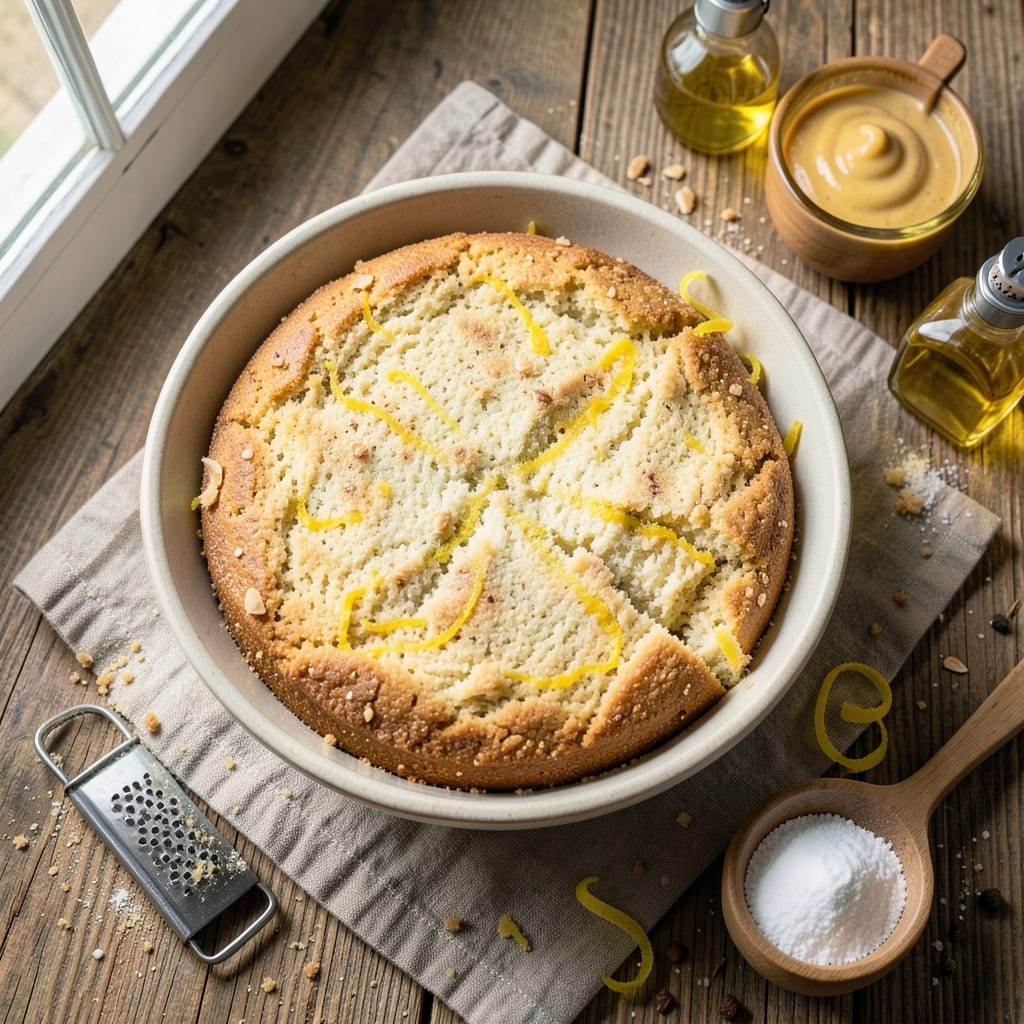
This almond flour sugar-free cake recipe delivers the perfect balance of crisp edges and tender crumb without refined sugar or eggs. The secret lies in properly blending almond flour with natural sweeteners like erythritol or monk fruit, creating a delicate texture that's light yet sturdy. I've perfected this recipe through years of testing, ensuring it rises beautifully while maintaining its integrity without gluten or dairy.
The beauty of almond flour lies in its ability to create a naturally moist yet crisp cake when combined with the right techniques. We'll use a combination of baking powder and applesauce to achieve that signature lightness, while vanilla extract and citrus zest add depth without overpowering the delicate almond flavor. The result is a cake that's rich in flavor but light on calories, perfect for those watching their sugar intake.
What sets this recipe apart is its ability to stay moist for days while maintaining that coveted crispness at the edges. The key is proper mixing techniques and precise oven temperature control—no dry crumbs or dense texture here. Each slice offers a satisfying contrast of textures: tender crumb with just enough crispness to keep it interesting.
This cake serves beautifully at gatherings or as a guilt-free treat for yourself. The natural sweetness from the almond flour shines through, making it a versatile dessert that pairs well with fresh berries or a drizzle of sugar-free chocolate ganache. Let's get baking!
Ingredients for almond flour sugar free cake
Delicate almond flour and natural sweeteners create this sugar-free cake's signature crisp edges and tender crumb.
| Ingredient | Amount | Notes |
|---|---|---|
| Almond Flour 🌰 | 2 ½ cups | Finely ground, unsweetened |
| Erythritol 🍬 | ½ cup | Granulated, sugar-free sweetener |
| Unsweetened Applesauce 🍎 | ½ cup | Unseasoned, for moisture |
| Vanilla Extract 🌿 | 1 tbsp | Pure, high-quality extract |
| Lemon Zest 🍋 | 1 tbsp | Freshly grated lemon peel |
| Baking Powder 🧂 | 1 tbsp | Aluminum-free for best results |
| Salt 🧂 | ¼ tsp | Fine sea salt preferred |
| Xanthan Gum 🌾 | ¼ tsp | For structure and binding |
| Unsweetened Almond Milk 🥛 | ½ cup | For liquid binding |
| Avocado Oil 🫒 | ¼ cup | High smoke point for baking |
| Lemon Juice 🍋 | 1 tbsp | Freshly squeezed |
| Ground Flaxseed 🌾 | 1 tbsp | Mixed with water for egg replacement |
The almond flour is non-negotiable—Bob's Red Mill or Anthony's Goods brands provide the finest grind for optimal texture. Erythritol, unlike other sugar alcohols, doesn't crystallize, maintaining that light-as-air quality. For the applesauce, Mott's unsweetened works perfectly, but homemade is ideal if you have time. The xanthan gum might seem minor, but it's what prevents that dreaded dense crumb. Store your almond flour in the freezer to preserve freshness—it goes rancid fast at room temperature. The lemon zest should be vibrant yellow, indicating peak freshness.
No erythritol? Monk fruit sweetener at half the amount works beautifully, though it has a slightly different aftertaste. Substituting applesauce with unsweetened pumpkin puree maintains moisture but adds a distinct flavor. For the flax egg, chia seeds work 1:1 if you're out of flax. The avocado oil can be swapped for refined coconut oil, but it lacks the neutral flavor profile. If you're concerned about the cake being too dry, add an extra 1 tbsp of almond milk—just don't overmix once it's in the batter. The baking powder must be fresh; if it's over a year old, toss it and start fresh.
This cake stays moist for 3-4 days when stored in an airtight container at room temperature, but it's even better the next day as the flavors meld. For longer storage, wrap tightly and refrigerate for up to 1 week. Freezing isn't recommended as it can alter the delicate texture, but you can freeze portions of the batter for 1 month if needed. To maintain crisp edges, always bake in a preheated oven and avoid opening the oven door during the first 20 minutes of baking. Serve at room temperature for the best texture contrast.
Why You'll Love This Recipe
- No Mixer Needed: I swear by this recipe when I’m too tired to pull out the stand mixer—just stir, pour, bake. The almond flour blends into a smooth batter with no lumps, and the applesauce keeps it light without extra effort.
- Bright & Buttery: That lemon zest gives it a sunny lift, while the vanilla and erythritol balance it just right—sweet but not cloying. It’s the kind of cake that tastes like a treat, not a compromise.
- Weeknight Workhorse: I’ve used it for breakfast muffins, dessert slices, and even a quick lunch with whipped cream. The texture holds up for days, and it’s the only cake I can bake when I’m short on time or ingredients.
- Budget-Friendly Luxury: Almond flour might seem pricey, but a little goes a long way, and the applesauce cuts costs without sacrificing flavor. Plus, the leftovers stay fresh for days—no sad, dry crumbs here.
Step-by-step instructions for almond flour sugar-free cake
This method delivers a tender, moist crumb with natural sweetness and perfect structure.
Prepare the Flaxseed Egg Substitute
In a small bowl, combine the 1 tablespoon ground flaxseed with 3 tablespoons unsweetened almond milk. Let this mixture sit for 5 minutes until it thickens into a gel-like consistency—this is your egg replacement. The flaxseed will absorb the liquid and form a binding agent that mimics egg functionality in baking.
I always use this timing because it ensures maximum thickening. If you're short on time, you can wait up to 10 minutes, but don't exceed that or the mixture may become too watery. This step is crucial for achieving the proper texture in a sugar-free almond flour cake, which lacks the moisture retention of traditional wheat flour.
Mix Wet Ingredients for Optimal Texture
In a large mixing bowl, whisk together the 0.5 cup unsweetened applesauce, 0.25 cup avocado oil, 0.5 cup erythritol, 1 tablespoon lemon juice, and the prepared flaxseed gel. Mix until completely smooth—you should see no visible streaks of oil or dry ingredients. The applesauce adds moisture while the avocado oil contributes to that light, airy crumb characteristic of successful almond flour baking.
Here's the thing—don't overmix at this stage. You're looking for a uniform consistency, not a thick batter. The erythritol should be fully dissolved, and the mixture should have a slightly syrupy texture. This ensures even distribution when you add the dry ingredients later, preventing dense pockets in your finished cake.
Combine Dry Ingredients with Precision
In a separate bowl, sift together the 2.5 cups almond flour, 1 tablespoon baking powder, 0.25 teaspoon salt, 0.25 teaspoon xanthan gum, 1 tablespoon lemon zest, and 1 tablespoon vanilla extract. The sifting step is essential—it prevents lumps in the almond flour and ensures even distribution of the leavening agents throughout the batter.
I've found that the xanthan gum makes a noticeable difference in this recipe. It mimics the gluten structure that wheat flour provides, giving the cake better structure and preventing it from crumbling. Add the dry ingredients to the wet mixture in three parts, mixing just until combined after each addition. This gentle folding technique incorporates air without developing gluten, which would make the cake tough.
Bake with Temperature Precision
Preheat your oven to 350°F and grease an 8-inch round cake pan or line it with parchment paper. Pour the batter into the prepared pan and smooth the top with a spatula. Tap the pan gently on the counter 3-4 times to remove any air bubbles that may have formed during mixing.
Bake for 30-35 minutes until a toothpick inserted into the center comes out clean and the edges are lightly golden. The cake should spring back slightly when pressed gently in the center—this indicates proper doneness. I always check at the 28-minute mark because almond flour cakes can vary slightly in baking time depending on your oven's calibration. Overbaking will make the cake dry, so watch carefully during the last few minutes.
Cool and Serve for Perfect Texture
Remove the cake from the oven and let it cool in the pan for 10 minutes. Then transfer it to a wire rack to cool completely. This gradual cooling process prevents cracking and allows the cake to set properly. The internal temperature should reach below 95°F before slicing—this ensures clean cuts and maintains that light, airy texture we worked so hard to achieve.
For best results, serve the cake at room temperature. The natural sweetness of the erythritol and the bright citrus notes from the lemon will be most pronounced when the cake has fully cooled. This sugar-free version holds its moisture exceptionally well, making each slice delightfully tender rather than dry. Store any leftovers in an airtight container at room temperature for up to 3 days or refrigerate for up to 5 days if you prefer a firmer texture.
Pro Tips For Making Almond Flour Sugar Free Cake
- Whisk the Dry Mix: DESCRIPTION: Almond flour is clingy—don’t just dump it in. Whisk it with the erythritol first to break up clumps and distribute the sweetener evenly. I learned this the hard way when my first batch had gritty pockets of sugar substitute. A quick 30-second mix makes all the difference.
- Measure Applesauce Cold: DESCRIPTION: Warm applesauce adds moisture unpredictably. Scoop it straight from the fridge, measure it, then let it sit at room temp while you mix—this keeps the batter from turning into a dense, gloopy mess. Trust me, your cake will thank you.
- Skip Overmixing the Batter: DESCRIPTION: Almond flour cakes rely on structure, not gluten. Mix just until the dry ingredients disappear—about 20 seconds after the wet ingredients are incorporated. Overmixing makes the texture dense and tough. I’ve ruined three batches by going overboard.
- Bake Until Golden, Not Just Set: DESCRIPTION: This isn’t a muffin—it needs color. Bake until the edges are golden (around 340°F for 25–30 minutes), not just when the top looks "done." Underbaked almond flour cakes stay pale and gummy. A toothpick test helps, but don’t rely on it alone.
Flavor customization for this dish
Citrus Variations
Swap the lemon zest and juice for orange zest and juice (from 1 orange) to create a warm, floral variation. The natural sweetness of orange pairs beautifully with almond flour, reducing the need for additional sweetener—cut the erythritol to 0.375 cup. For a tangy twist, try lime zest and juice (from 2 limes)—it adds a bright, almost tropical note that works wonderfully with berry compotes. 🍊
Spiced Adaptations
Infuse the batter with ½ teaspoon cinnamon and ¼ teaspoon cardamom for a Middle Eastern-inspired version. These spices complement the nutty almond flavor while adding warmth. For a Mexican-inspired cake, add ½ teaspoon ground cumin and ¼ teaspoon chili powder, then top with a sprinkle of sugar-free orange glaze before baking. The spices should be toasted lightly in a dry pan for 30 seconds to deepen their flavor before mixing.
Chocolate Enhancements
Add ¼ cup unsweetened cocoa powder to the dry ingredients for a rich chocolate-almond hybrid. Boost the vanilla extract to 2 teaspoons to enhance the chocolate flavor. For a marbled effect, divide the batter, mix 1 tablespoon cocoa powder into half, then swirl the two batters together before baking. Top with a dusting of sugar-free cocoa powder for an elegant finish. This version pairs perfectly with a dollop of sugar-free whipped cream. 🍫
Berry Infusions
Fold in ½ cup mashed raspberries or blackberries (strain seeds if desired) to the batter for a fruity twist. The berries add natural sweetness and moisture, allowing you to reduce the erythritol to 0.4 cup. For a more intense flavor, use ¼ cup blueberry jam mixed with 1 tablespoon almond milk instead of fresh berries. These variations work especially well when served with a dollop of sugar-free Greek yogurt or coconut whipped cream.
Nutty Additions
Fold in ½ cup chopped toasted walnuts or pecans for added crunch and depth. Toast the nuts in a dry pan over medium heat for 3-4 minutes until fragrant, then cool before mixing into the batter. For a more decadent texture, add ¼ cup chopped candied pecans (sugar-free, if possible) to the top before baking. These additions elevate the cake’s natural nutty profile while adding interesting textures. 🌰
Coffee-Inspired Twist
Add 1 tablespoon instant coffee granules dissolved in the almond milk to create a mocha-inspired cake. The coffee enhances the chocolate variations or works beautifully on its own. For a stronger flavor, use 2 tablespoons, but reduce the vanilla extract to ½ teaspoon to balance the intensity. This version pairs exceptionally well with a dusting of sugar-free cocoa powder and a drizzle of sugar-free caramel sauce. ☕
Nutrition facts
Frequently asked questions
Can I substitute almond milk for another plant-based milk?
Yes, but choose carefully! Unsweetened coconut milk works well for a richer flavor, while oat milk adds creaminess. Avoid almond-flavored milks—they'll overpower the cake's delicate taste. Stick to neutral options like soy milk or cashew milk if needed, but almond milk provides the best texture balance.
Why does my almond flour cake turn out dense?
Overmixing is the #1 culprit! Almond flour lacks gluten, so gentle folding is key. Another common issue is underbaking—almond cakes need 30-35 minutes at 350°F for proper structure. Check doneness with a toothpick (it should come out clean). If your cake still feels dense, try adding ¼ tsp extra xanthan gum to improve binding.
How do I make this cake more moist without adding sugar?
Increase the applesauce to ⅔ cup or add 2 tbsp unsweetened applesauce to the batter. For extra moisture, replace 1 tbsp avocado oil with 1 tbsp mashed banana or pumpkin puree. The key is maintaining the right fat-to-moisture ratio while keeping the batter light. Store leftovers in an airtight container to preserve freshness.
Can I use this recipe for cupcakes?
Divide the batter evenly among 12 lined cupcake molds (fill ⅔ full). Bake at 350°F for 18-22 minutes—they'll be done when a toothpick comes out clean. For extra height, add ½ tsp extra baking powder. The cupcakes will have a slightly denser center but maintain that signature crisp edge. Top with sugar-free frosting or fresh berries!
What's the best sugar-free frosting for this cake?
Try a cream cheese frosting made with 4 oz sugar-free cream cheese, 2 tbsp softened butter, 1 tsp vanilla, and 2-3 tbsp powdered erythritol (whisked until smooth). For a lighter option, blend ½ cup coconut cream with 1 tsp vanilla and 2 tbsp powdered sweetener until fluffy. Chill both frostings for 30 minutes before spreading.