
Desserts
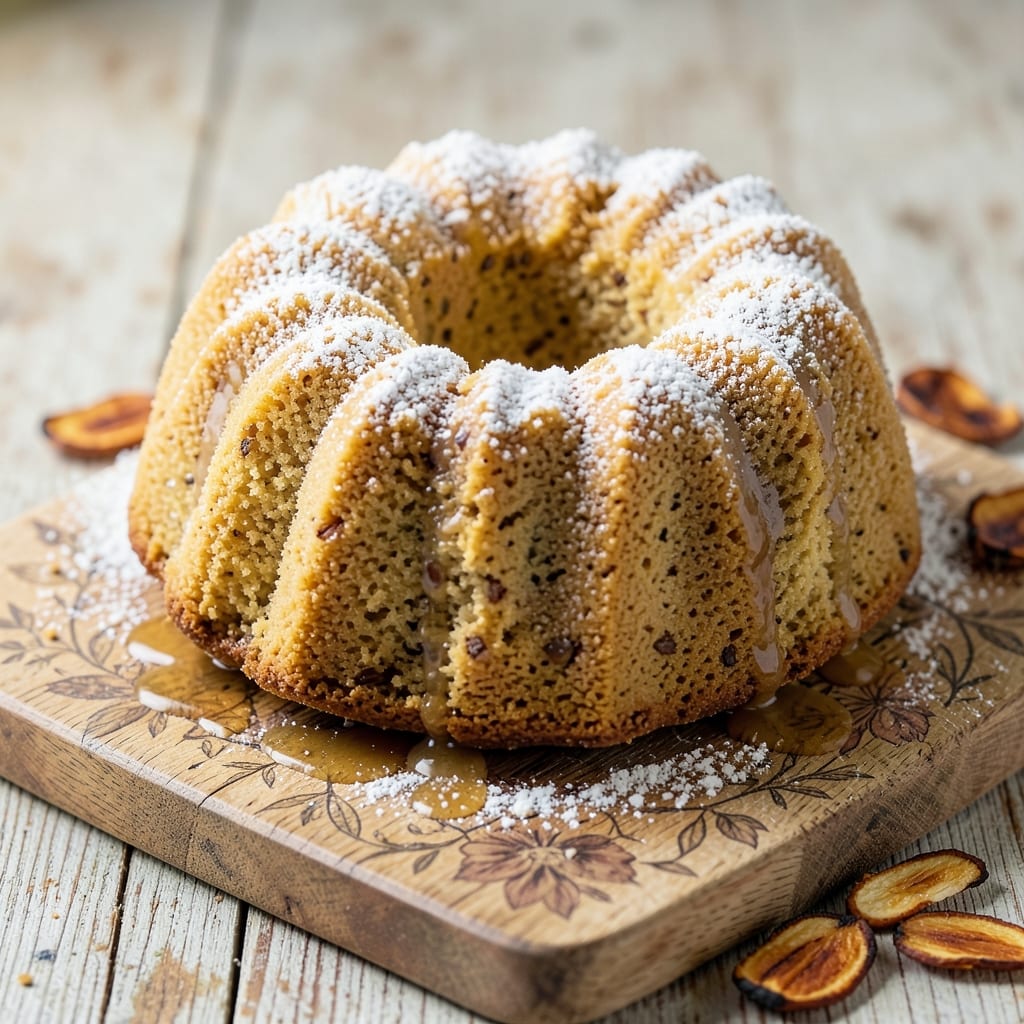
This almond flour Bundt cake delivers a gluten-free, moist masterpiece with a toasted nut crown that rivals classic flour-based cakes. The secret lies in almond flour's natural ability to retain moisture while creating a tender crumb—no dryness here. I've perfected this recipe to ensure every slice stays tender, even after sitting overnight, making it ideal for gatherings or meal prep.
The key to success is proper preparation: greasing the Bundt pan thoroughly (or using parchment strips) prevents sticking, while room-temperature ingredients ensure smooth mixing. For extra richness, I recommend adding a simple glaze or dusting with powdered sugar—though the cake shines on its own with its naturally sweet almond flavor and subtle crunch from toasted nuts.
Baking at 350°F for 35-40 minutes yields a golden crown with a perfectly moist interior, while the almond flour's fat content keeps it tender longer than traditional flour cakes. Whether you're accommodating dietary restrictions or simply craving a lighter dessert, this recipe delivers restaurant-quality results without the gluten.
For added versatility, swap eggs for flax eggs (3 tbsp ground flaxseed + 9 tbsp water) for a vegan option, or fold in chocolate chips for a decadent twist. The possibilities are endless, but the foundation remains foolproof—moist, flavorful, and utterly satisfying in every bite.
Ingredients for almond flour bundt cake
Almond flour's natural richness meets precise technique for a gluten-free Bundt cake with restaurant-quality texture.
| Ingredient | Amount | Notes |
|---|---|---|
| Almond Flour 🌰 | 3 cups | Finely ground, blanched preferred |
| Granulated Sugar 🍚 | 1 ½ cups | Superfine preferred for smooth texture |
| Unsalted Butter 🧈 | 1 cup | Room temperature, European-style preferred |
| Large Eggs 🥚 | 4 whole | Room temperature for even mixing |
| Vanilla Extract 🌿 | 2 tsp | Pure Madagascar bourbon preferred |
| Baking Powder 🍞 | 1 tsp | Aluminum-free for best rise |
| Salt 🧂 | ½ tsp | Diamond Crystal kosher preferred |
| Unsweetened Almond Milk 🥛 | ½ cup | Room temperature, unsweetened |
| Toasted Sliced Almonds 🌰 | 1 cup | For nut crown, lightly toasted |
| Parchment Paper 📄 | 1 sheet | For Bundt pan lining |
| Powdered Sugar 🍚 | ¼ cup | For optional dusting |
The almond flour is non-negotiable here—Bob's Red Mill or Anthony's Goods brands yield the finest texture. Look for finely ground, blanched almond flour; pre-ground supermarket varieties often contain skins that disrupt moisture distribution. The butter should be European-style (higher fat content) for maximum tenderness, and room temperature is critical—cold butter creates lumps that never dissolve. For the almond milk, Blue Diamond unsweetened is my go-to, but any brand works as long as it's unsweetened. The sliced almonds should be toasted until golden—about 5 minutes at 350°F—to enhance their natural oils and create that signature crunch.
No almond flour? Hazelnut flour at a 1:1 ratio works in a pinch, though texture will differ slightly. Substituting granulated sugar for superfine? Pulse it in a food processor for 30 seconds to mimic the finer grain. The vanilla extract can be swapped for vanilla bean paste at half the amount for deeper flavor. For a vegan adaptation, replace eggs with flax eggs (3 tbsp ground flaxseed + 9 tbsp water per egg), though texture may be slightly denser. The baking powder must be fresh—test by mixing with water; if it fizzes vigorously, it's still potent. And if you're dusting with powdered sugar, sift it through a fine-mesh sieve for a flawless finish.
Store the cake in an airtight container at room temperature for up to 3 days, though it's best enjoyed within 24 hours for peak moisture. For longer storage, wrap tightly in plastic wrap and refrigerate for up to 5 days—reheat slices at 300°F for 5 minutes to restore freshness. The toasted almonds keep their crunch for 1 week in a sealed container, while almond flour stays fresh for 6 months in the pantry. Portion the batter into greased ramekins for individual servings, or double the recipe for a crowd—this cake scales beautifully without compromising texture.
Why You'll Love This Recipe
- No Mixer Needed: I swear by this recipe when I’m too tired to pull out appliances. Just whisk eggs, fold in almond flour, and let the buttercream magic happen—no stand mixer, no stress.
- Buttery-Vanilla Bliss: That rich almond flour base soaks up the vanilla like a sponge, while the buttercream on top? It’s the kind of sweet, creamy finish that makes you pause mid-bite.
- Weekend Brunch Star: Serve it warm with berries for a crowd, or slice it cold for picnic sandwiches. Honestly, it’s my go-to for lazy mornings when I don’t want to fuss.
- Leftovers? No Problem: The texture holds up beautifully for days—moist enough to reheat or sturdy enough to pack in lunches. (Yes, even on a Tuesday.)
Step-by-step instructions for almond flour Bundt cake
This gluten-free bundt cake delivers perfect moisture and a stunning nut crown every time.
Prepare the Bundt Pan and Toast Almonds
Preheat your oven to 350°F and generously grease a 10-cup Bundt pan with nonstick spray. Line the bottom with the sheet of parchment paper, pressing it into all the crevices so it won't stick. In a dry skillet over medium-low heat, toast the 1 cup toasted sliced almonds for 3-4 minutes until golden and fragrant. Watch them carefully—they'll darken quickly. Remove from heat and set aside, reserving the almonds for the nut crown.
Here's the thing—properly toasting the almonds enhances their flavor and prevents them from turning bitter in the oven. Spread them on a plate to cool slightly while you prepare the batter. The residual heat will help them crisp further when they hit the hot cake.
Cream Butter and Sugar to Lighten the Batter
In a stand mixer fitted with the paddle attachment, beat the 1 cup unsalted butter (at room temperature) and 1.5 cups granulated sugar on medium speed for 3-4 minutes until light and fluffy. You're looking for a color change from pale yellow to creamy white and nearly doubled in volume. This step incorporates air, which creates that tender crumb we want in gluten-free baking.
I press down on the butter-sugar mixture with a spatula occasionally to ensure everything's well incorporated. If the butter hasn't softened enough, the mixture will look greasy rather than creamy. If this happens, let it sit at room temperature for another 10 minutes before continuing.
Add Eggs and Dry Ingredients Alternately
Add the 4 whole large eggs, one at a time, mixing on low speed for 30 seconds after each addition. Then add the 2 tsp vanilla extract and mix for another 10 seconds. In a separate bowl, whisk together the 3 cups almond flour, 1 tsp baking powder, and 0.5 tsp salt.
With the mixer on low speed, add one-third of the dry ingredients to the wet mixture, mixing just until combined. Then add half of the 0.5 cup unsweetened almond milk and mix again. Repeat this process, alternating between dry ingredients and almond milk, ending with the last addition of dry ingredients. This gradual mixing prevents gluten formation and ensures even distribution of ingredients.
Fold in Almonds and Bake
Using a silicone spatula, gently fold in the 1 cup toasted sliced almonds, reserving about 2 tablespoons for the nut crown. Pour the batter into the prepared Bundt pan and smooth the top with a spatula. Arrange the reserved almonds evenly over the top, pressing them gently into the batter.
Bake for 50-55 minutes until a toothpick inserted in the center comes out clean. The cake should be golden brown and spring back when pressed gently in the center. If the top browns too quickly, tent loosely with foil after 30 minutes to prevent over-browning while ensuring the center cooks through.
Cool and Dust for Presentation
Remove the cake from the oven and let it cool in the pan for 10 minutes. Then carefully invert the cake onto a wire rack to cool completely. While the cake cools, sift the 0.25 cup powdered sugar over a fine-mesh sieve to create a light dusting for presentation.
Here's the professional touch: once the cake is completely cool, gently dust the top with the powdered sugar using a fine-mesh sieve. This not only adds visual appeal but also balances the rich flavors of the almonds. Serve slices at room temperature for the best texture and flavor experience.
Pro Tips For Making Almond Flour Bundt Cake
- Mix Butter and Sugar First: I learned this the hard way—skipping this step means your eggs end up fighting for moisture instead of blending smoothly. Cream the butter and sugar until light and fluffy (about 3-4 minutes), then add the eggs one at a time. This keeps the cake tender and prevents dryness.
- Weigh Your Almond Flour: Almond flour is finicky—scooping it leads to inconsistent batches. Use a kitchen scale for accuracy (about 2 cups = 200g). Pack it lightly into the measuring cup, but don’t tamp it down, or you’ll end up with a dense cake.
- Don’t Overbake: Almond flour cakes dry out fast. Pull yours out when the edges are golden and the center still jiggles slightly—it’ll firm up as it cools. Overbaking turns it into a sad, crumbly brick.
- Add a Splash of Milk: This isn’t in most recipes, but trust me: swap 1-2 tablespoons of water for whole milk in the wet ingredients. The fat in milk keeps the cake moist longer, especially if you’re using high-fat almond flour. (Yes, even if you’re impatient like me.)
Pro cooking tips for great almond flour bundt cake
Room-Temp Ingredients
Bringing your butter, eggs, and almond milk to room temperature is non-negotiable for this cake. Cold butter creates lumps that never dissolve, while cold eggs mix unevenly. I let my European-style butter sit out for 1 hour before using, and I place eggs in warm water for 5 minutes to ensure they're perfectly room temp. This simple step prevents dense, greasy texture—trust me, it makes all the difference. 🌡️
Almond Flour Magic
Almond flour absorbs moisture differently than wheat flour, so we need to compensate with extra liquid—that's why we alternate between dry ingredients and almond milk. I use Blue Diamond unsweetened almond milk for consistency, but any brand works. The key is to mix just until combined when adding dry ingredients—overmixing develops gluten-like proteins that make the cake tough. Think "gentle but thorough."
Nut Crown Perfection
Toast your sliced almonds until they're golden brown—not dark brown—because over-toasted nuts turn bitter. Spread them on a plate to cool slightly before pressing them into the batter. Reserve 2 tablespoons for the crown, arranging them in an even layer after pouring the batter. This creates that signature crunchy top that makes the cake look (and taste) restaurant-worthy. 🌰
Baking Time Secrets
Bundt cakes bake unevenly, so I tent mine with foil after 30 minutes if the top starts browning too quickly. The center needs 50-55 minutes total to reach 210°F internal temperature. A toothpick should come out clean, but don't rely solely on that—press the center gently; it should spring back slowly, not bounce. Underbaking is worse than overbaking with almond flour cakes.
Cooling Like a Pro
Let the cake cool in the pan for 10 minutes before inverting—this prevents it from cracking from sudden temperature changes. I tap the pan gently on the counter to loosen the edges, then run a thin knife around the sides. For presentation, dust with powdered sugar sifted through a fine-mesh sieve while the cake is still slightly warm. This creates that professional dusting effect without clumping. ✨
Troubleshooting Tips
If your cake cracks, it's usually from cooling too quickly. Wrap it in plastic wrap and let it sit at room temperature for 1 hour before slicing. For a denser texture, you might have overmixed—next time, fold in the almond flour by hand at the end. And if the cake sticks? Your pan wasn't greased enough. Use both nonstick spray AND parchment paper for foolproof results every time. 💡
Nutrition facts
Frequently asked questions
Can I make this cake without eggs?
For a vegan version, replace each egg with 1 flax egg (1 tbsp ground flaxseed + 3 tbsp water). Let the mixture sit for 5 minutes to thicken before using. The texture will be slightly denser but still moist and delicious. The cake's natural richness from almond flour helps compensate for the egg substitution.
Why is my almond flour cake denser than wheat flour cakes?
Almond flour has less protein than wheat flour, but its high fat content creates a denser crumb if not handled properly. The key is proper mixing—alternate dry ingredients with almond milk and avoid overmixing. Also, ensure your almond flour is finely ground and room temperature ingredients are used. The cake should be tender, not dense!
How do I prevent the cake from cracking?
Cracking usually happens from sudden temperature changes. Let the cake cool in the pan for 10 minutes before inverting, then wrap it in plastic wrap and let it cool completely at room temperature. Avoid placing it in the fridge until fully cooled. Also, don't overbake—remove it when the center reaches 210°F and a toothpick comes out clean.
Can I use this recipe for a Bundt cake other than 10 cups?
Yes! This recipe works well for 8-cup or 12-cup Bundt pans. For an 8-cup pan, reduce the batter by about 20% (remove 1/3 cup of almond flour and 1/4 cup sugar). For a 12-cup pan, increase by 25% (add 1/2 cup almond flour and 1/3 cup sugar). Adjust baking time by ±5 minutes based on pan size.
What's the best way to store leftovers?
Store your cake in an airtight container at room temperature for up to 3 days for best texture. For longer storage, refrigerate for up to 5 days—reheat slices at 300°F for 5 minutes to restore freshness. The toasted almonds stay crisp for 1 week in a sealed container, while the cake's moisture is best enjoyed within 24 hours.