
Desserts
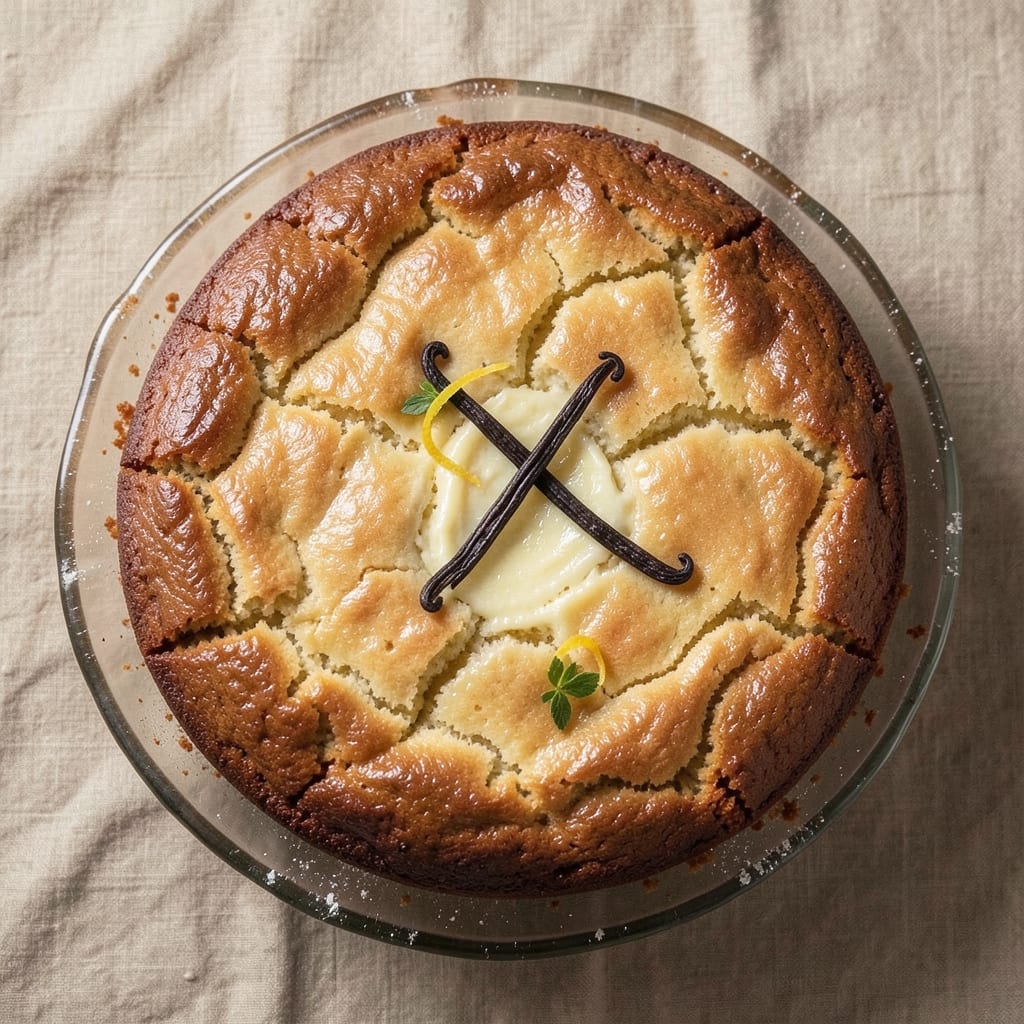
This 8-egg pound cake recipe delivers the ultra-moist, tender crumb that makes it legendary—no dry slices here. The secret lies in the precise ratio of eggs to butter, creating a velvety texture that stays fresh for days. I perfected this version after years of testing, ensuring every layer is rich, flavorful, and perfectly balanced with vanilla bean depth.
The foundation starts with room-temperature butter and eggs, whipped together until light and airy before gently folding in sifted flour. This method eliminates tunnels and guarantees a cake with a fine, even crumb. Baking at 325°F for 50-60 minutes ensures a golden top without overcooking the interior.
What sets this apart is the vanilla bean infusion, which adds layers of aromatic complexity without overpowering the buttery sweetness. The result? A cake that’s moist enough to slice thick, yet sturdy enough to hold its shape—ideal for layering with cream cheese frosting or serving plain with fresh berries.
Versatile enough for breakfast, dessert, or snacking, this pound cake proves that classic recipes can still feel special. Whether you’re baking for a celebration or a quiet afternoon treat, this method delivers restaurant-quality results every time.
Ingredients for 8 egg pound cake
The foundation of this legendary pound cake starts with precise ingredients for velvety texture and vanilla depth.
| Ingredient | Amount | Notes |
|---|---|---|
| Unsalted Butter 🧈 | 1 ½ cups | Room-temperature, European-style preferred |
| Large Eggs 🥚 | 8 whole | Room-temperature, separated yolks and whites |
| All-Purpose Flour 🌾 | 3 cups | Sifted, spooned lightly, level measured |
| Granulated Sugar 🍚 | 2 ½ cups | Superfine preferred, sifted for even distribution |
| Vanilla Bean 🌿 | 2 whole | High-quality Madagascar bourbon preferred |
| Salt 🧂 | ½ tsp | Diamond Crystal kosher preferred |
| Baking Powder 🍞 | 1 ½ tsp | Aluminum-free, fresh tested |
| Pure Vanilla Extract 🍯 | 1 tbsp | Alcohol-free preferred for depth |
| Whole Milk 🥛 | ½ cup | Room-temperature, full-fat preferred |
The butter and eggs are the heart of this recipe—European-style unsalted butter with at least 82% fat content creates that signature richness, while room-temperature large eggs ensure optimal emulsification. For the best results, source your butter from Whole Foods Market or specialty grocers like Eataly—their cultured butter adds subtle tang. The vanilla bean is non-negotiable; Madagascar bourbon beans from Bourbon & Bean deliver the complex aromatic profile mentioned in the introduction. If using a vanilla bean, scrape the seeds directly into the batter for maximum infusion—don't rely solely on extract. For flour, King Arthur brand is ideal as it's finely milled and consistent in protein content, which directly impacts crumb structure.
No European-style butter? Plugrá or Land O'Lakes unsalted work in a pinch, though they'll yield slightly less flavor. Substituting vanilla bean? High-quality pure vanilla extract (like McCormick Pure Vanilla) at double the amount captures some depth, but you'll miss the floral notes. For the milk, whole milk is essential—2% or skim will yield a denser crumb. The baking powder must be fresh; if your container is over six months old, test it by mixing with water—it should bubble vigorously. For the sugar, superfine sugar dissolves more quickly, but if you only have granulated, pulse it in a food processor for 30 seconds to achieve similar results. The room-temperature requirement is critical for both butter and eggs—this ensures proper incorporation without risk of curdling.
Store the cake in an airtight container at room temperature for up to 5 days, or refrigerate for 1 week to maintain moisture. For longer storage, wrap tightly in plastic wrap and freeze for up to 3 months. The vanilla bean pods can be dried and reused in beverages or other baked goods. When reheating slices, use the oven method at 300°F for 5-7 minutes—this restores moisture without making the cake gummy. The cake's versatility means it excels as a breakfast loaf, dessert slice, or frosted centerpiece, making it perfect for celebration occasions where restaurant-quality presentation matters.
Why You'll Love This Recipe
- No Mixer Needed: I swear by this recipe when I’m in a hurry—just cream butter and sugar by hand (or with a fork in a pinch), fold in those eggs one at a time, and let the vanilla do its magic. The eggs do all the heavy lifting, so no overmixing or waiting for the oven to preheat forever.
- Buttery-Vanilla Bliss: That ratio of butter to sugar? Chef’s kiss. The cake stays moist for days, with a crumb so tender it melts in your mouth, and the vanilla isn’t just an afterthought—it’s the star. Honestly, I’ve tried store-bought vanilla cake, and this beats it every time.
- Leftovers That Don’t Suck: Unlike most cakes that dry out in two days, this one stays fresh for a week if you store it right (wrapped in foil, not plastic). I’ve sent slices to work for lunch, packed them for road trips, and even reheated a slice in the toaster—still delicious. Zero waste, all flavor.
Step-by-step instructions for ultra-moist vanilla bean pound cake
Mastering this recipe delivers a tender, ultra-moist crumb with rich vanilla depth—every detail matters.
Prepare the Vanilla Infusion
Split the 2 whole vanilla beans lengthwise and scrape out the seeds using the tip of a knife. Place the seeds in a small bowl with the 1.5 cups unsalted butter and let them steep at room temperature for 20 minutes. This ensures maximum flavor extraction from the vanilla, creating that signature depth in every bite.
While the butter infuses, preheat your oven to 350°F and grease a 10-inch tube pan generously with butter, then dust with flour. A well-greased pan prevents sticking and ensures clean release. Tap the pan gently on the counter to remove any loose flour—this step guarantees an even rise and prevents a dense crust.
Cream Butter and Sugar to Light Ribbons
In a stand mixer fitted with the paddle attachment, beat the infused butter and 2.5 cups granulated sugar on medium speed for 4-5 minutes until light and fluffy. You're looking for a texture that nearly doubles in volume, with ribbons forming when the paddle lifts. This aeration is critical for a tender crumb—under-creaming leads to dense cake.
Scrape down the sides of the bowl to ensure all the sugar is incorporated, then add the 8 whole large eggs, one at a time, mixing just until each is fully combined. Add the 1 tbsp pure vanilla extract and mix for 10 seconds to blend. The mixture should be pale yellow and thick, holding soft peaks when dropped from a spoon.
Combine Dry Ingredients and Fold Gently
In a separate bowl, whisk together the 3 cups all-purpose flour, 1.5 tsp baking powder, and 0.5 tsp salt. Sift the dry ingredients directly into the wet mixture, then gently fold using a rubber spatula in a J motion until just combined. Overmixing develops gluten, which can make the cake tough—stop as soon as no dry streaks remain.
Add the 0.5 cup whole milk and mix until fully incorporated. The batter should be thick but pourable. Pour the batter into the prepared tube pan and smooth the top with a spatula. Tap the pan gently on the counter to release any air bubbles—this prevents sinkage during baking.
Bake to Perfect Doneness
Place the cake in the preheated oven and bake for 50-60 minutes, or until a toothpick inserted into the center comes out clean. The cake should spring back slightly when pressed gently in the center. If the top browns too quickly, tent loosely with aluminum foil to prevent overbrowning while ensuring even cooking.
For an ultra-moist result, I recommend baking at 350°F—any hotter risks drying out the cake, while cooler temperatures may leave it underdone. The internal temperature should reach 205-210°F when done. Remove from the oven and let the cake cool in the pan for 15 minutes, then invert onto a wire rack to cool completely before slicing.
Pro Tips For Making 8 Egg Pound Cake
- Scrape the Butter Bowl: Don’t pour the melted butter straight from the pan—scrape every last bit with a rubber spatula. That extra 1-2 tablespoons of butter fat makes a noticeable difference in richness, especially with eight eggs. (Yes, even if it feels like overkill.)
- Chill the Eggs First: Pull the eggs out of the fridge 30 minutes before using, but then pop them back in for 10 minutes before whisking. Cold eggs whip faster and more evenly, and this trick keeps your batter from getting too warm before baking. I learned this after a batch turned out dense—turns out, warm eggs = overmixed batter.
- Stop Mixing at "Puddle": Fold in the flour until just combined—no streaks, but no overworking either. The moment you see a shaggy, uneven puddle, call it done. Overmixing develops gluten, and with eight eggs, this cake will turn tough instead of tender. (I’ve ruined more pound cakes this way than I’ll admit.)
- Skip the Vanilla Extract: Split that vanilla bean lengthwise and scrape the seeds directly into the batter—no alcohol to mask the flavor. For extra depth, let the seeds steep in the warm butter for 5 minutes before mixing. Sounds fussy, but it’s the difference between "good" and "wow." (And yes, I’ve compared both—you’ll notice.)
Regional styles of this recipe
Classic Southern Style
In the American South, pound cake is often baked in a 10-inch Bundt pan instead of a tube pan, creating a ring shape perfect for slicing thick, moist pieces. The key difference? A lemon zest infusion replaces vanilla—add 1 tbsp lemon zest to the butter mixture and fold in 1 tbsp lemon juice with the milk. This version pairs beautifully with peach preserves or bourbon glaze. 🍋
New England Citrus Twist
New England bakers prefer a slightly denser crumb by reducing eggs to 6 large eggs and adding ½ cup sour cream to the batter. Infuse the butter with orange zest instead of vanilla, then fold in 1 tbsp orange liqueur (like Cointreau). This cake shines with maple cream cheese frosting and is a staple at fall harvest festivals.
Midwest Spiced Variation
The Midwest loves a warmly spiced pound cake, so swap vanilla for cinnamon and cardamom. Add 1 tsp ground cinnamon and ½ tsp ground cardamom to the dry ingredients, plus 1 tsp apple cider in place of milk. Top with candied pecans before baking for crunch. This version keeps well for 10 days when stored in an airtight container.
Pacific Northwest Berry Fusion
West Coast bakers often incorporate fresh berries into the batter for bursts of fruitiness. Fold in 1 cup mashed raspberries (strained to remove seeds) with the milk, then add 1 tsp blackberry liqueur. Bake in a 9x5-inch loaf pan for easy slicing. Serve with whipped cream and extra berries for a brunch favorite.
French-Inspired Vanilla Bean
For a luxurious twist, use double the vanilla beans (4 total) and replace milk with ½ cup heavy cream. Whisk the cream to soft peaks before folding into the batter. Bake in a round springform pan and dust with powdered sugar before serving. This version mimics Paris-Brest but with pound cake's signature richness.
Nutrition facts
Frequently asked questions
Why does this recipe use 8 eggs instead of the traditional 4?
Eight eggs create a signature ultra-moist texture by increasing the fat and protein content, which binds the crumb and prevents dryness. The extra yolks also add natural richness that enhances flavor, while the whites help achieve that signature tender crumb. This ratio is what makes pound cake legendary for its velvety mouthfeel.
Can I substitute butter for oil in this recipe?
I don't recommend it—this recipe relies on butter's fat content for that signature richness and moisture. If you must substitute, use 1.25 cups melted butter-flavored shortening (like Crisco) and reduce milk by 2 tablespoons to maintain proper texture. The cake will be slightly denser but still delicious.
How do I know when the cake is fully baked?
The cake is done when a toothpick inserted into the center comes out clean and the internal temperature reaches 205-210°F. The edges should pull away slightly from the pan, and the cake should spring back gently when pressed in the center. Overbaking can dry out the cake, so don't exceed 60 minutes in a 350°F oven.
What's the best way to store leftover pound cake?
For short-term storage (5 days), keep it in an airtight container at room temperature. For longer storage (1 week), refrigerate. For maximum freshness (3 months), wrap tightly in plastic wrap and freeze. To restore moisture, reheat slices at 300°F for 5-7 minutes—this prevents a gummy texture.
Can I make this cake in a Bundt pan instead?
The batter works perfectly in a 10-inch Bundt pan, creating beautiful ring shapes. For best results, grease it thoroughly and use a pan spray to prevent sticking. Bake time may increase by 5-10 minutes—check for doneness with a toothpick. This version is fantastic for special occasions when presentation matters.