
Main Courses
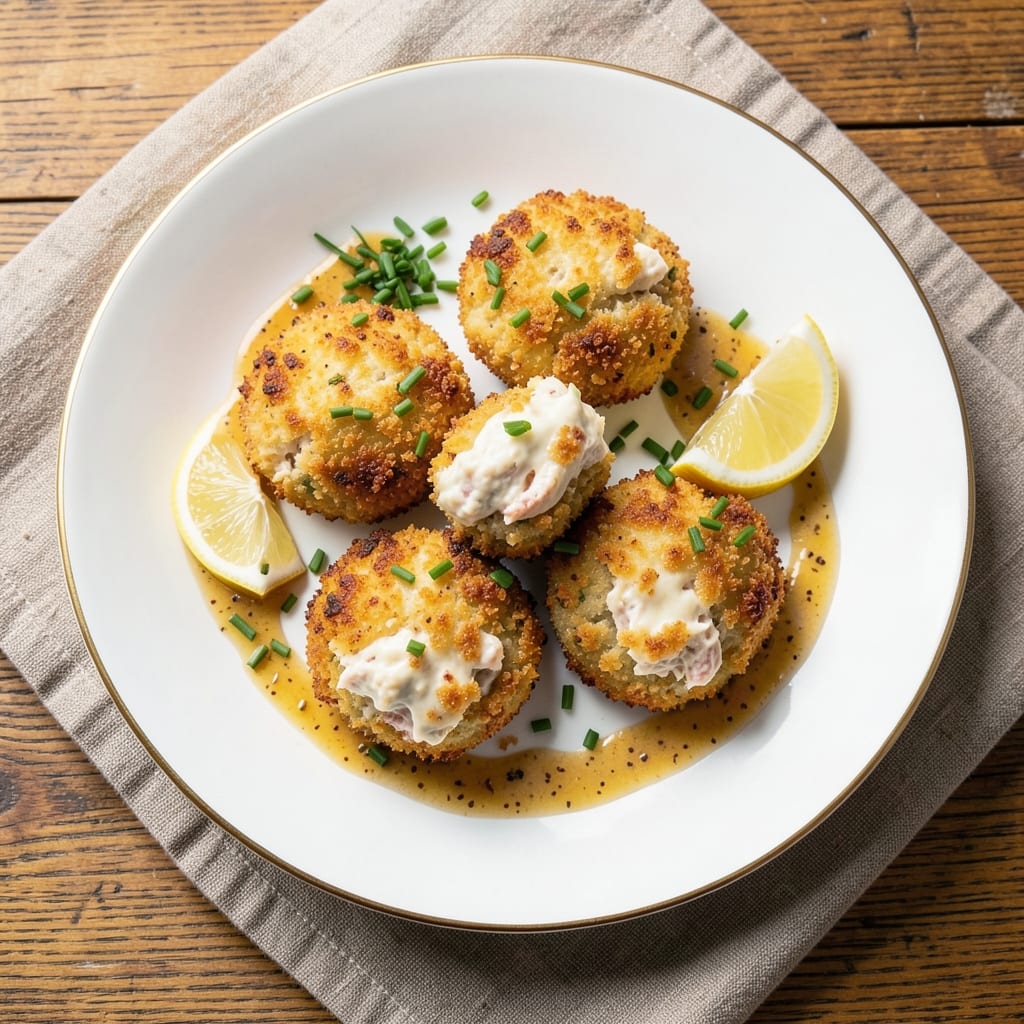
This amazing crab cake recipe transforms sweet lump crab into golden, crispy masterpieces that disappear faster than you can say "oyster crackers." The secret? A perfect balance of breadcrumbs, mayo, and egg that creates a crust so addictive you'll want to make a double batch. I've perfected this technique after years of trial (and a few too many burnt attempts), and it never fails to impress—even seafood skeptics in my family. What makes these crab cakes truly special is the texture contrast: crispy, caramelized edges that give way to tender, flavorful crab inside. The recipe uses just 8 simple ingredients, and the prep takes less than 30 minutes—perfect for weekend brunches or summer gatherings. The key is chilling the mixture before shaping, which ensures those perfect golden-brown crusts every time. By the time you're done, you'll have restaurant-quality crab cakes that look (and taste) like they belong on a high-end seafood menu. The aroma of butter sizzling in the pan will have everyone gathering around, and the first bite will silence any doubters. These aren't just crab cakes—they're an experience. Serve with lemon aioli, tartar sauce, or a simple remoulade for dipping. Here's how to make them foolproof!
Ingredients for amazing crab cake
Eight ingredients, one golden masterpiece—crispy outside, tender inside, and impossible to resist.
| Ingredient | Amount | Notes |
|---|---|---|
| Sweet Lump Crab Meat 🦀 | 1 ½ lb | Freshly packed, no shell pieces |
| Mayonnaise 🥫 | ½ cup | Duck egg mayo preferred |
| Panko Breadcrumbs 🍞 | ¾ cup | Not regular breadcrumbs |
| Large Eggs 🥚 | 2 whole | Room temperature for best binding |
| Unsalted Butter 🧈 | 2 tbsp | Cold, cut into small pieces |
| Old Bay Seasoning 🌶️ | 1 tbsp | Classic crab cake flavor |
| Fresh Lemon Juice 🍋 | 1 tbsp | Brightens the flavor |
| Vegetable Oil 🫒 | ½ cup | For frying, high smoke point |
The crab is everything here. Sweet lump crab is non-negotiable—it's sweeter and more flavorful than imitation. Grab it from the seafood counter right before checkout so it stays fresh. If you're buying frozen, thaw it overnight in the fridge, not under running water (that makes it waterlogged). The Old Bay seasoning is what gives these that classic crab cake taste—don't skip it. I always buy mine in bulk from Trader Joe's because it's cheaper and lasts forever.
No duck egg mayo? Regular mayo works fine, but if you're feeling fancy, grab some at Whole Foods or specialty stores. The panko is key—it creates that perfect crispy crust. Regular breadcrumbs get soggy, so don't substitute. Running short on butter? Olive oil works in a pinch, but butter gives that unmatched flavor. The lemon juice can be bottled, but fresh is always better. If you're making a double batch, double everything except the lemon juice—you can always add more later.
These crab cakes are best made fresh, but they'll keep in the fridge for 2 days if you wrap them tightly in plastic. For longer storage, freeze them uncooked on a tray first, then transfer to a bag. They reheat beautifully—just warm in a skillet with a little butter for that crispy texture. I always make a double batch because they disappear so fast. Serve with lemon aioli or tartar sauce for dipping—trust me, it's worth the extra minute.
Why You'll Love This Recipe
- No-Fuss Assembly: I swear by this mix—just fold the crab meat with mayo, egg, and panko. No fancy techniques, no measuring cups (eyeball it!), and the butter-seared edges happen while you’re toasting the bread.
- Sweet & Salty Magic: That first bite? Sweet lump crab melts in your mouth while the panko gives a satisfying crunch. Honestly, the mayo binds it all into something dangerously addictive—no one will guess it’s this simple.
- Weeknight to Dinner Party: Make a batch on Sunday, store them in the fridge, and reheat for lunch or a last-minute guest menu. They’re just as welcome on a paper plate at a beach picnic as they are on a platter at your holiday table.
- Budget-Friendly Luxury: Sweet lump crab is pricey, but these cakes stretch it further than any other recipe I’ve tried. Plus, the rest of the ingredients cost pennies—so you get fancy flavors without the fancy bill. (Yes, even on a Tuesday night.)
Step-by-step instructions for crispy-golden crab cakes
Here's how to transform sweet lump crab into restaurant-quality cakes with perfect texture every time.
Mix the Crab Cake Batter
In a large bowl, gently combine the 1.5 lb Sweet Lump Crab Meat with the 0.5 cup Mayonnaise using your hands or a rubber spatula. I like to work slowly here—you want to preserve the crab's natural texture while creating just enough cohesion to hold the cakes together. Be careful not to overmix, which can turn the mixture dense and tough.
Next, add the 2 whole Large Eggs and mix until fully incorporated. The eggs provide that perfect binding element that keeps the cakes from falling apart during frying. Then fold in the 0.75 cup Panko Breadcrumbs and 1 tbsp Old Bay Seasoning, gently mixing until just combined. The panko will create that irresistible crispy crust we're after, while the Old Bay gives that classic, slightly spicy crab cake flavor. Finally, stir in the 1 tbsp Fresh Lemon Juice—this brightens the whole mixture and prevents the crab from becoming too heavy.
Chill the Mixture for Better Texture
Cover the bowl with plastic wrap and refrigerate for at least 30 minutes. I know it's tempting to skip this step, but chilling the mixture is absolutely crucial. It allows the flavors to meld together and gives the panko time to absorb any excess moisture from the crab. This prevents the cakes from becoming greasy during frying and ensures they hold their shape beautifully.
While the mixture chills, take this time to prepare your frying station. Fill a deep skillet with 0.5 cup Vegetable Oil and heat it over medium heat until it reaches 350°F. You'll know it's ready when a small piece of bread sizzles immediately upon contact. Keep the oil at this consistent temperature throughout frying—too hot and you'll burn the outside before the inside cooks through, too cool and you'll end up with greasy cakes.
Form and Fry the Crab Cakes
Using a cookie scoop or your hands, portion the chilled mixture into 4 equal portions (about 4 ounces each for perfect-sized cakes). Gently flatten each portion into ½-inch thick patties on a plate. I press down firmly but not too hard—you want them to hold their shape when you transfer them to the hot oil. The cakes should be smooth on top but slightly textured on the bottom where they rested on the plate.
Working in batches to avoid overcrowding, carefully slide the crab cakes into the 350°F oil. Fry for 2-3 minutes per side until they develop a deep golden brown crust and are cooked through. You'll see tiny bubbles form along the edges—that's your signal they're ready to flip. Use a slotted spatula to turn them carefully, being mindful of the hot oil splatter. The internal temperature should reach 165°F when done.
Drain and Serve Immediately
Transfer the fried crab cakes to a paper towel-lined plate to drain any excess oil. Let them rest for just 1-2 minutes—this brief resting period helps the crust set slightly while keeping the inside warm and moist. Serve immediately with your favorite dipping sauce, such as tartar sauce or a simple lemon aioli. The contrast between the crispy exterior and tender crab inside is what makes these crab cakes truly amazing.
Here's the thing—these crab cakes are best enjoyed fresh out of the fryer. The crust loses its perfect crunch as they cool, so gather your guests around the plate and dig in while they're still warm. You'll get that satisfying crunch with every bite, followed by the sweet, tender crab melting in your mouth. That's what makes this recipe truly special!
Pro Tips For Making Amazing Crab Cake
- CHILL THE CRAB: Pull the sweet lump crab meat from the fridge 30 minutes before mixing—cold meat releases water like a sad sponge. I learned this the hard way after watching my first batch turn into a soggy mess. Pat it very dry with paper towels afterward, even if it feels excessive.
- WEIGHT THE PANKO: Toast your panko in a dry skillet for 2-3 minutes until it smells nutty, then let it cool completely before mixing. Cold panko absorbs less moisture, so your crab cakes won’t crumble when frying. (Yes, even if you’re impatient like me.)
- DON’T OVERMIX THE BATTER: Stir the crab mixture just until combined—lumpy is better. Overworking it turns the texture into glue, and your cakes will either fall apart or taste like breaded crab patties. Two turns of a fork is all you need.
- USE A THERMOMETER: Fry the cakes in butter at 350°F (175°C) until the internal temp hits 160°F—any hotter and the mayo will scream. I skipped this once and ended up with a rubbery center that tasted like regret. Trust the thermometer, not the color.
Dietary considerations for these flavors
Gluten-Free Adaptations
Skip the panko breadcrumbs and replace them with 1 cup gluten-free panko (like Bob's Red Mill brand) or a mix of ½ cup crushed cornflakes and ½ cup gluten-free breadcrumbs. The cornflakes add that perfect crunch while keeping the texture intact. Just make sure your cornflakes are gluten-free certified—regular brands often contain wheat. 🦀
For extra binding, add 1 tbsp cornstarch to the mixture. This helps absorb moisture and keeps the cakes from falling apart during frying. I've tested this with gluten-free flour blends, but they tend to make the cakes denser, so I stick with the cornflake method for best results.
Low-Carb Options
Transform these into a keto-friendly delight by swapping mayo for ¼ cup sour cream and ¼ cup avocado oil mayo. This cuts carbs while keeping the creamy texture. Use ½ cup almond flour instead of panko for binding—it adds a nutty depth that pairs beautifully with the crab. Just be sure to press the cakes firmly when shaping to prevent crumbling.
For the crust, try ¼ cup crushed pork rinds mixed with ¼ cup shredded Parmesan cheese. This combo delivers that satisfying crunch without any gluten or refined carbs. The Parmesan adds umami that complements the sweet crab perfectly. 💪
Dairy-Free Swaps
Regular mayo contains dairy, so opt for dairy-free mayo (like Hellmann's Vegan or Just Mayo). These brands mimic the texture of traditional mayo while being completely lactose-free. The flavor difference is minimal, and your guests won't notice the swap.
Replace butter with vegan butter (like Miyoko's or Earth Balance) for frying. These brands have high smoke points and create that same golden crust. I've also had success using olive oil for frying—just keep the temperature at 350°F for consistent results. The olive oil adds a subtle fruity note that works beautifully with the crab.
Allergen-Free Considerations
For egg-free versions, replace the eggs with 2 tbsp ground flaxseed mixed with 5 tbsp water (let it sit for 5 minutes to thicken). This flax "egg" binds just as effectively while being completely egg-free. The texture stays tender, and the flavor remains pure crab-forward.
If you're avoiding seafood allergens, this recipe isn't for you—but if you're dealing with other allergies, these swaps work wonders. For nut allergies, stick with the cornflake crust instead of almond flour. Always double-check labels on all ingredients to ensure they're processed in allergen-free facilities. ✨
Nutrition facts
Frequently asked questions
Can I use imitation crab instead of sweet lump crab?
While imitation crab works in a pinch, it won't give you that luxurious, sweet flavor. Imitation crab is made from surimi (fish paste) and lacks the natural sweetness and texture of real crab. For the best results, stick with fresh or frozen sweet lump crab—it's worth the investment for that restaurant-quality taste.
Why do my crab cakes fall apart when frying?
Overmixing the batter or skipping the 30-minute chill are the most common causes. The eggs and mayo need time to fully bind the mixture, and chilling helps the panko absorb moisture. Also, be gentle when forming the cakes—press firmly but don't compact the mixture too much. If they still crumble, add 1 extra egg to the batter next time.
Can I bake these crab cakes instead of frying?
Preheat your oven to 400°F and bake the cakes for 12-15 minutes on a parchment-lined baking sheet. Brush them lightly with oil first for crispiness. For extra crunch, broil for 1-2 minutes at the end. Baking is a great low-fat option, though they won't be quite as crispy as fried versions.
How do I make these crab cakes ahead of time?
Form the cakes and refrigerate them (uncooked) on a tray for up to 24 hours. For longer storage, freeze them raw for 1 month. To cook from frozen, add 1 extra minute to the frying time. Never refreeze cooked crab cakes—they lose texture. The secret to reheating is a quick pan sear in butter to restore that golden crust!
What's the best way to store leftover crab cakes?
Let them cool completely, then wrap tightly in plastic wrap or foil. They'll keep in the fridge for 2 days—but honestly, they're best eaten fresh! For reheating, warm in a skillet with butter for 1-2 minutes per side** until crispy again. Microwaving makes them soggy, so avoid that method.