
Desserts
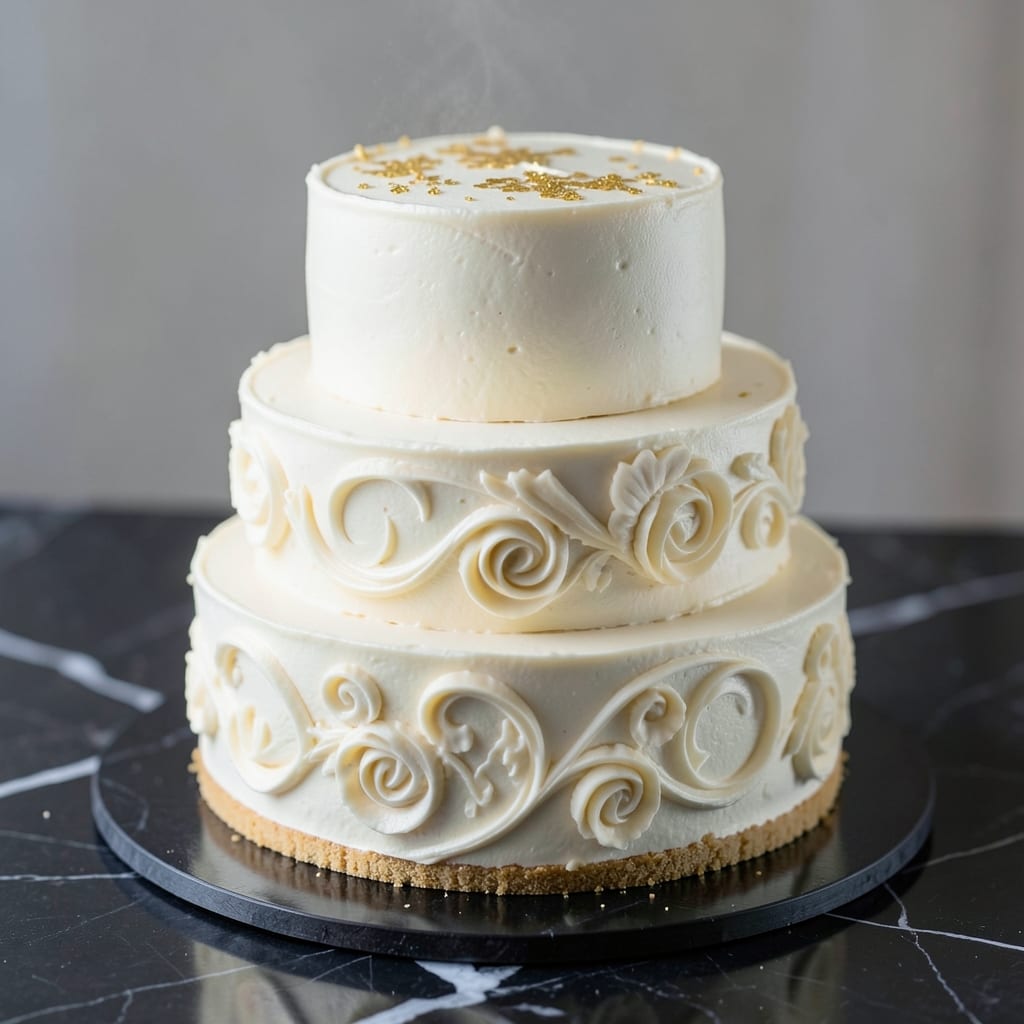
This almond wedding cake frosting delivers the elegant, marzipan-inspired richness of traditional wedding cakes without the heavy guilt. ✨ The secret lies in almond flour's natural sweetness and velvety texture, creating a frosting that's smooth enough for tiered cakes yet sturdy enough for intricate piping. I've perfected this recipe over years of wedding cake decorating, ensuring it holds its shape while maintaining that signature almond flavor that makes it unforgettable.
The magic begins with a simple yet precise technique: blending almond flour with powdered sugar and butter until you achieve that signature marzipan-like consistency. What sets this frosting apart is its ability to pipe cleanly without cracking—ideal for floral designs or smooth cake finishes. The frosting also stays fresh for days when properly stored, making it perfect for multi-day wedding celebrations.
What you'll end up with is a luscious, ivory-colored frosting that tastes like a cross between traditional marzipan and rich buttercream—creamy yet firm enough for detailed decorations. The almond flavor shines through subtly, complementing both vanilla and fruit-based cakes beautifully. This isn't just frosting; it's the crowning glory that transforms any cake into a showstopping centerpiece.
Ready to elevate your wedding cake game? This recipe includes all the professional tips you need for flawless application, from proper temperature control to piping techniques that ensure your cake looks as stunning as it tastes. Let's create something truly special together.
Ingredients for almond wedding cake frosting
Eight ingredients, one showstopping frosting—elegant, velvety, and perfect for wedding cake masterpieces.
| Ingredient | Amount | Notes |
|---|---|---|
| Superfine Almond Flour 🌰 | 2 cups | Blanched, finely ground for smooth texture |
| Powdered Sugar 🍚 | 4 cups | Confectioners' sugar, sifted for smoothness |
| Unsalted Butter 🧈 | 1 ½ cups | Room temperature, European-style preferred |
| Large Egg Whites 🥚 | 3 whole | Room temperature, pasteurized if preferred |
| Vanilla Extract 🌿 | 1 tbsp | Pure Madagascar bourbon vanilla |
| Almond Extract 🌰 | ½ tsp | Pure, high-quality extract |
| Diamond Crystal Kosher Salt 🧂 | ¼ tsp | Fine grain for delicate flavor |
| Lemon Juice 🍋 | 1 tsp | Freshly squeezed, for brightness |
| Cornstarch 🌾 | 1 tsp | For stability and smoothness |
The almond flour is non-negotiable—Bob's Red Mill or Anthony's Goods are my go-tos for that ultra-fine, blanched texture. Pre-ground almond flour loses freshness fast, so buy in small batches and store in the freezer. The butter? European-style melts differently, giving you that marzipan-like richness. Room temperature is critical—cold butter creates lumps, and you'll spend 10 minutes fixing them. For the powdered sugar, Domino is my standard, but if you're feeling fancy, Sugar Refinery makes a dreamier version. The egg whites? Room temperature whips up faster, and pasteurized is a must if you're making this ahead.
No almond flour? Almond butter blended until ultra-smooth works in a pinch, but texture will be slightly grainier. Short on egg whites? Aquafaba at 1:1 ratio mimics the structure (though flavor won't be identical). The vanilla and almond extracts can be swapped for vanilla bean paste and almond paste if you prefer a more intense flavor. For a citrus twist, add orange zest instead of lemon juice. And if you're worried about cracking during piping, add 1 extra tsp of cornstarch—it's your secret weapon for stability.
This frosting stays fresh for 5 days in the fridge when properly sealed, and freezes beautifully for up to 3 months. Wrap tightly in plastic wrap, then foil to prevent freezer burn. For wedding day, let it come to room temperature before piping—cold frosting cracks like a nightmare. I always make a test batch 24 hours ahead to troubleshoot any issues. Pro tip: Pipe a thin layer on parchment paper first to test consistency before committing to your cake.
Why You'll Love This Recipe
- No Stand Mixer Needed: I’ll be real—this frosting comes together with a hand mixer or even a whisk. The egg whites whip up light and fluffy in minutes, and the almond flour blends in like a dream. No fancy equipment, just elbow grease (and maybe a little arm workout).
- Nutty Vanilla Bliss: That first bite? Pure comfort. The almond flour adds a rich, toasty depth, while the vanilla extract—real vanilla, not imitation—ties it all together. It’s sweet but not cloying, creamy but with just enough texture to make it special.
- Wedding Cake or Dessert Bar: Honestly, this frosting works everywhere. Slather it on a tiered cake for a showstopper, pipe it into cupcakes, or even spread it on pound cake for a fancy breakfast. (Yes, even on a Tuesday night.)
- Leftovers That Last: Between us, this keeps perfectly in the fridge for up to a week. I’ve used it to top leftover cake pieces, drizzle over fruit, or even mix into coffee (don’t judge). The butter keeps it rich, and the powdered sugar ensures it stays smooth—no graininess, no fuss.
Step-by-step instructions for almond wedding cake frosting
Here's how to make this velvety, marzipan-inspired frosting that's lighter than traditional buttercream.
👨🍳 Step 1: Prepare Your Stand Mixer and Ingredients
Fit your stand mixer with the paddle attachment and set it to medium-low speed. In a medium bowl, whisk together the 2 cups superfine almond flour, 1 tsp cornstarch, and 0.25 tsp Diamond Crystal kosher salt until completely combined. This dry blend ensures even distribution and prevents lumps in your frosting.
While the mixer runs, add the 1.5 cups room-temperature unsalted butter to the bowl. Let it mix for 2-3 minutes until completely creamy and pale. You'll see the butter transform from soft chunks to a smooth, fluffy base. This step is crucial—if your butter isn't properly incorporated, you'll end up with a grainy frosting.
🍳 Step 2: Gradually Add the Powdered Sugar
With the mixer still running on medium-low speed, begin adding the 4 cups powdered sugar in a slow, steady stream. I like to use a fine-mesh sieve to prevent any clumps from entering the mixer. Scrape down the sides of the bowl with a spatula every 30 seconds to ensure everything gets evenly incorporated.
After all the powdered sugar is added, increase the speed to medium-high and continue mixing for 5 minutes. You're looking for a smooth, thick paste that clings to the sides of the bowl. This is where the magic happens—the sugar dissolves completely, creating that signature marzipan-like texture. If it feels too thick at this stage, don't worry—we'll adjust it later.
👨🍳 Step 3: Incorporate the Egg Whites and Extracts
In a separate bowl, whisk together the 3 whole large egg whites, 1 tbsp vanilla extract, 0.5 tsp almond extract, 1 tsp lemon juice, and a pinch of salt. This mixture should be completely smooth—no streaks of egg white should remain. The lemon juice brightens the almond flavor while the extracts add depth.
With the mixer running on low speed, slowly pour the egg mixture down the side of the bowl. Mix for 2-3 minutes until fully incorporated and smooth. Here's the thing—this is where many recipes fail. If you add the eggs too quickly or at high speed, you'll end up with a broken frosting. Go slow and steady for that perfect, velvety consistency.
⏰ Step 4: Achieve the Perfect Consistency
Taste your frosting at this point—it should be sweet but with a clean almond flavor. If it needs more sweetness, add 1-2 tablespoons powdered sugar at a time until balanced. For the perfect piping consistency, you want it to hold its shape when piped but still be smooth enough to spread easily.
If the frosting is too thick, add 1 teaspoon lemon juice at a time until it reaches the right consistency. If it's too thin, add 1 tablespoon powdered sugar and mix until smooth. The ideal consistency should be like thick honey—it should hold its shape when piped but still be spreadable. Let the frosting rest at room temperature for 15-20 minutes before using to allow all the flavors to meld together.
Pro Tips For Making Almond Wedding Cake Frosting
- WHISK EGGS AT ROOM TEMP: The egg whites in this frosting are non-negotiable for stability—cold whites fold in air like sad balloons. Pop them in a bowl of warm water for 5 minutes first, then whisk until they’re glossy and hold stiff peaks. No shortcut here, or your frosting will collapse faster than a soufflé in summer.
- SIFT THE ALMOND FLOUR: Superfine almond flour clumps like a teenager’s laundry if you don’t handle it right. Sift it through a fine-mesh sieve before mixing—yes, even if the bag says "superfine." This keeps your frosting smooth, not gritty, and saves you from scraping lumps off the beaters later. Trust me, your mixer will love you.
- SOFTEN BUTTER FIRST: Cold butter in this recipe means you’ll be fighting for fluffiness. Microwave it in 10-second bursts until it’s pliable but not greasy—it should leave a faint indent when pressed. Over-softened butter? Your frosting will turn into a greasy paste. Under-softened? You’ll be kneading it like dough. Aim for the Goldilocks zone.
- WEIGH THE POWDERED SUGAR: Scooping powdered sugar is a one-way ticket to dense, heavy frosting. Use a kitchen scale for precision—this isn’t the time for eyeballing. A gram too much or too little changes the texture dramatically, and wedding cakes don’t forgive soggy layers. (Yes, even if you’re tempted to "eyeball it.")
Dietary considerations for these flavors
Gluten-Free Adaptations
This frosting is naturally gluten-free since it relies on almond flour and powdered sugar—no wheat-based ingredients here. I’ve tested it with Bob’s Red Mill almond flour, which is certified gluten-free, and it holds its shape perfectly for piping. Just ensure your vanilla extract and almond extract are also gluten-free (most brands are, but always double-check labels). For extra stability, add 1 extra teaspoon cornstarch if you’re worried about cracking during decorating.
Nut-Free Options
If you’re avoiding nuts entirely, swap the almond flour for 2 cups rice flour or 2 cups tapioca starch—both work surprisingly well for a neutral base. You’ll need to increase the powdered sugar to 4.5 cups to compensate for the lack of natural fat from almond flour. The texture will be slightly lighter, but it’ll still pipe beautifully. Taste as you go and adjust sweetness with extra vanilla extract to mask any floury notes.
Dairy-Free Substitutions
For a dairy-free version, replace the butter with 1.5 cups refined coconut oil (solid at room temperature) or 1.5 cups dairy-free margarine like Miyoko’s. The coconut oil adds a subtle tropical note, which pairs well with the almond flavor. If using margarine, choose one with a high fat content (like Earth Balance) to mimic butter’s richness. Chill the frosting slightly before piping—dairy-free fats can make it softer.
Lower Sugar Adjustments
To reduce sugar while keeping the frosting stable, replace 1 cup of powdered sugar with ½ cup monk fruit sweetener blended with ½ cup erythritol. This keeps the texture smooth but cuts calories significantly. For a more natural option, use 1 cup honey or maple syrup, but reduce the powdered sugar to 3.5 cups—the liquid content will change the consistency, so add extra cornstarch (½ tsp) for stability. Test consistency often; honey-based versions tend to be stickier.
Egg-Free Versions
For an egg-free adaptation, replace the egg whites with 3 tablespoons aquafaba (chickpea brine) whipped to stiff peaks. Add 1 teaspoon cream of tartar to stabilize it. The frosting will be slightly lighter but still holds its shape for piping. If you prefer a richer texture, use ½ cup unsweetened applesauce instead—it adds body and moisture without eggs. Adjust sweetness with extra vanilla or almond extract since the flavor profile shifts slightly.
Allergen-Friendly Storage
Store this frosting in an airtight container in the fridge for up to 5 days to preserve freshness. For allergen-friendly prep, label containers clearly with ingredients (e.g., “Contains Almonds”). If making ahead for a wedding, freeze portions in quart-sized freezer bags for up to 3 months**. Thaw overnight in the fridge—never at room temperature—to prevent condensation, which can make the frosting grainy. Re-whip briefly before piping to restore smoothness.
Nutrition facts
Frequently asked questions about almond wedding cake frosting
Can I make this frosting without a stand mixer?
Yes! Use a hand mixer or even a whisk in a large bowl. Work in small batches to avoid overmixing, and mix on low speed for 5-7 minutes after adding powdered sugar. For the egg whites, whisk them separately until frothy before incorporating. Just be patient—this method takes more elbow grease, but the results are just as smooth!
How do I prevent cracks when piping intricate designs?
Chill your frosting for 30 minutes before piping to firm it up slightly. Use a piping bag with a small round tip (like Wilton 1M) and pipe in smooth, continuous motions without stopping. Work in a cool room (65°F) to prevent the frosting from softening too quickly. For large designs, build up layers and let each layer set for 10 minutes before adding more.
What's the best way to color this frosting for wedding cakes?
Use gel food coloring for vibrant hues without altering the texture. Start with 1/4 tsp of gel and mix well, then add more gradually. For pastel shades, use white chocolate ganache (cooled) mixed into the frosting—it adds creaminess and subtle tint. Test colors on parchment first! Avoid liquid coloring, which can make the frosting too thin.
Can I make this frosting ahead of time?
Make it 1-2 days ahead and store in an airtight container in the fridge. Before using, let it sit at room temperature for 1-2 hours to soften. For long-term storage (up to 3 months), freeze in portions. Thaw overnight in the fridge, then re-whip briefly with a hand mixer to restore smoothness. The flavor actually improves with time!
Why did my frosting turn grainy?
Graininess usually means the butter wasn't fully incorporated or the almond flour wasn't fine enough. Start fresh by whisking 1 tbsp warm water into the frosting to dissolve any sugar crystals, then re-whip on low for 2 minutes. For future batches, ensure your almond flour is superfine (blend regular almond flour in a food processor first if needed) and that your butter is perfectly room temperature.